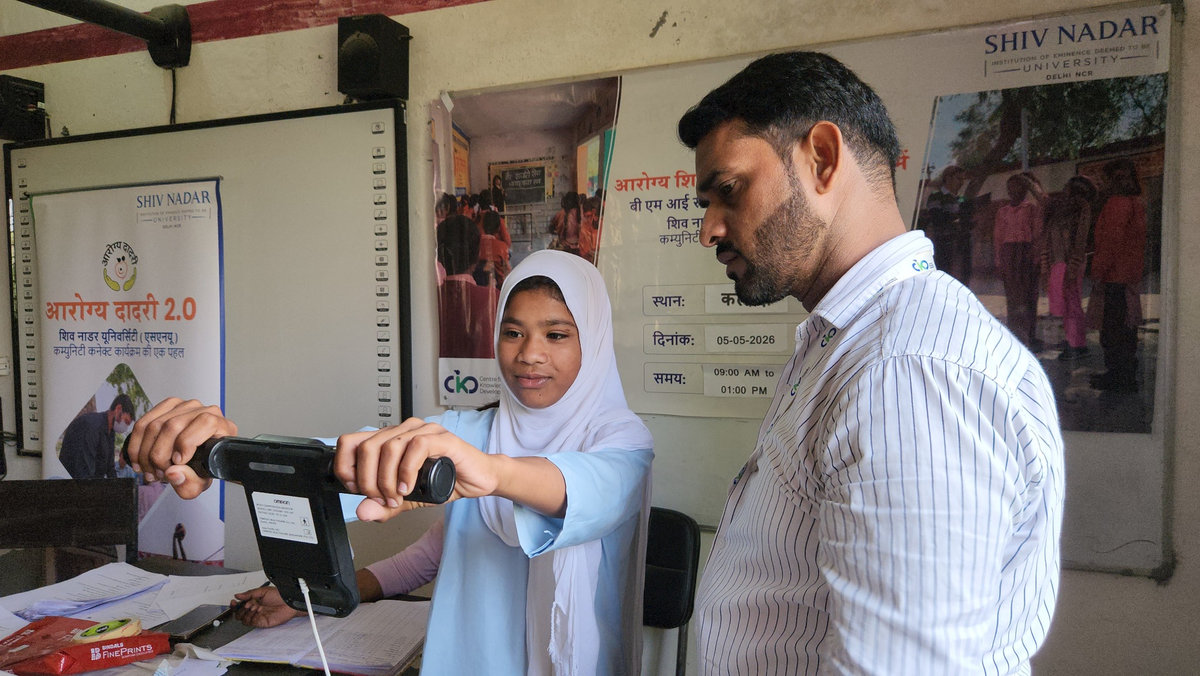
Arogya Dadri 2.0 is a scale-up initiative addressing the rising burden of non-communicable diseases (NCDs), particularly hypertension and diabetes, in the Dadri Block of Gautam Buddha Nagar district, Uttar Pradesh.
The project represents a strategic expansion and deepening of successful community-based screening and management models pioneered through Arogya Dadri 1.0. Building on demonstrated effectiveness in the field, Arogya Dadri 2.0 aims to reach a significantly broader population while strengthening the quality and sustainability of health interventions across rural and semi-urban communities.
The health landscape in Gautam Buddha Nagar presents a critical challenge. The prevalence of NCDs in this region significantly exceeds national averages, indicating a population under substantial disease burden. According to NFHS-5 data, an alarming 31% of males and 46% of females report hypertension, while 15% of males and 31% of females report diabetes.
Beyond these primary conditions, the region also faces elevated rates of high blood sugar levels, obesity, and substance use—all interconnected risk factors that amplify health risks and complicate disease management. This convergence of health challenges underscores the urgent need for comprehensive, multi-faceted health interventions that address not only disease screening and treatment but also root causes including lifestyle factors, health literacy, and access to quality primary care. The Arogya Dadri 2.0 project responds directly to this pressing public health imperative.

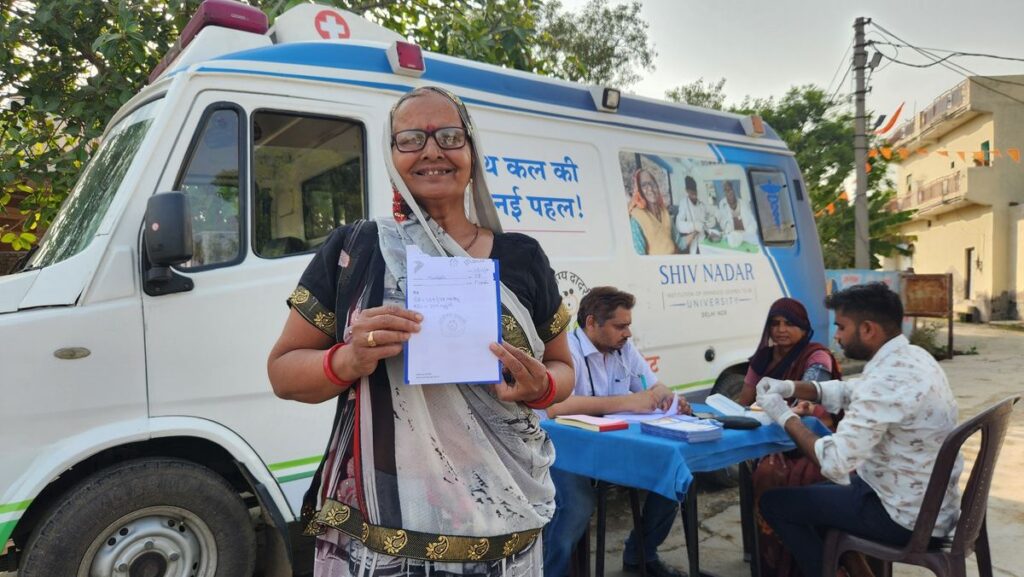
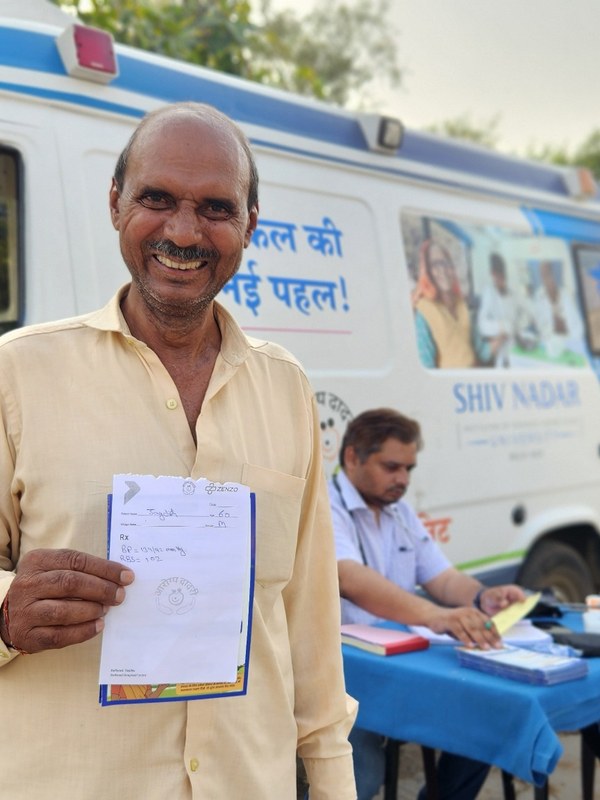
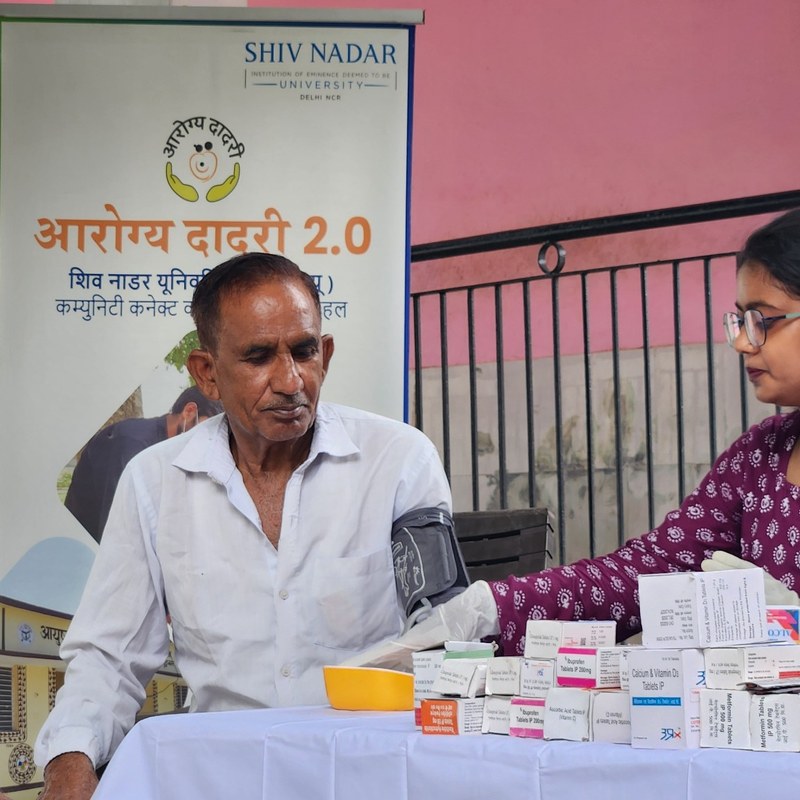
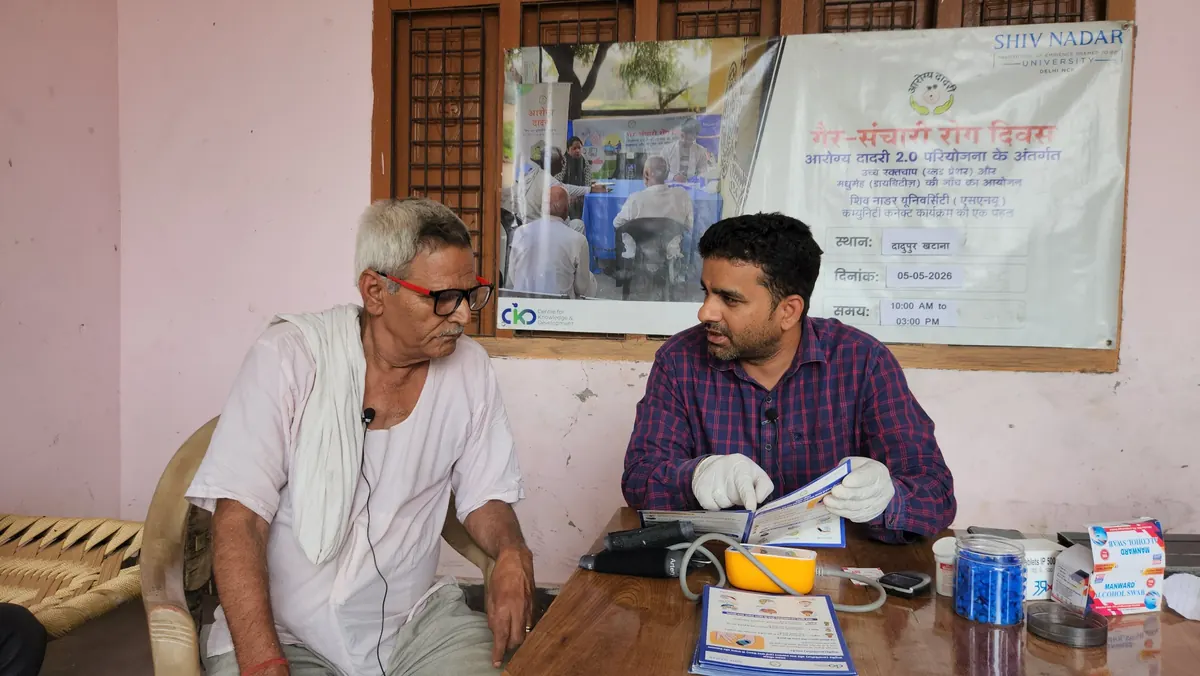
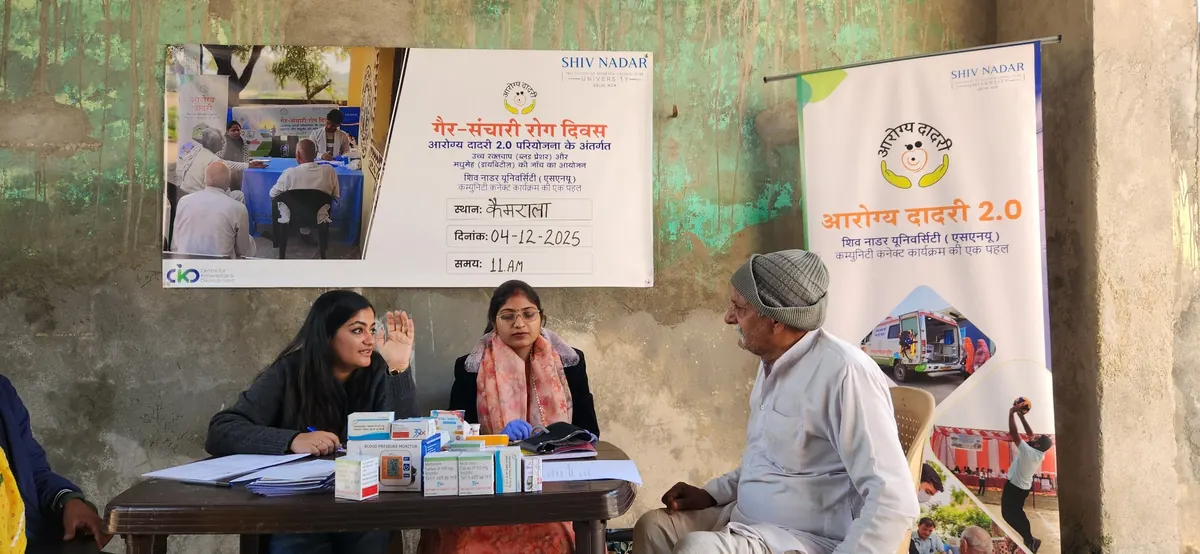
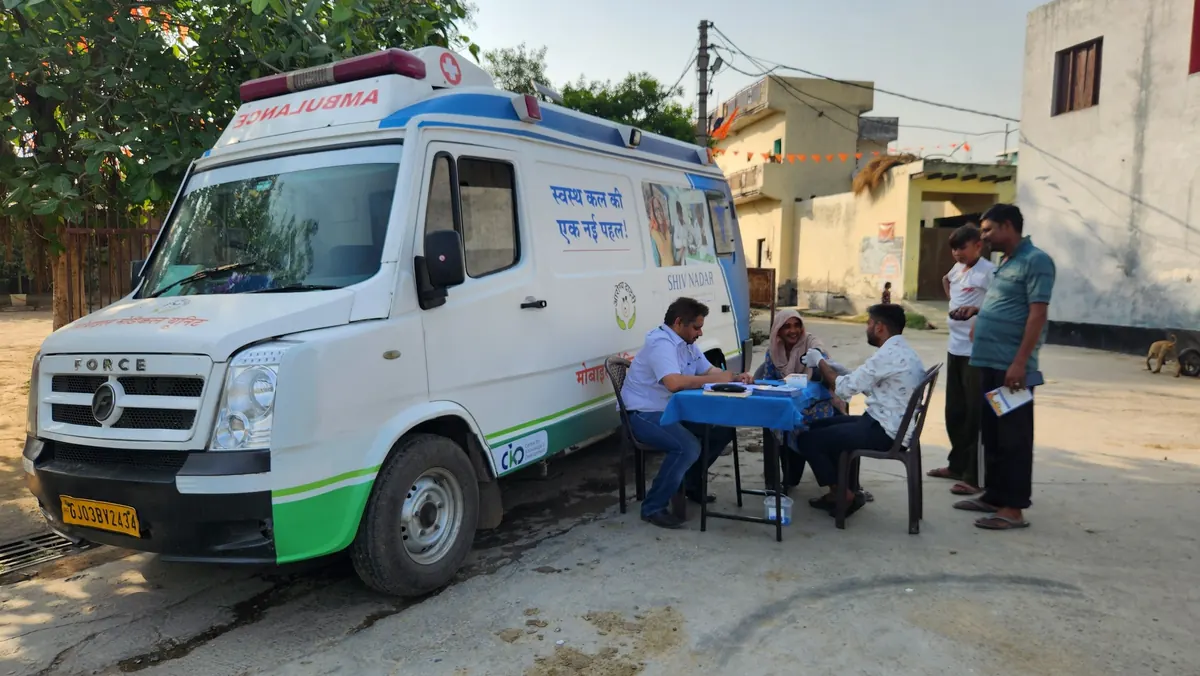
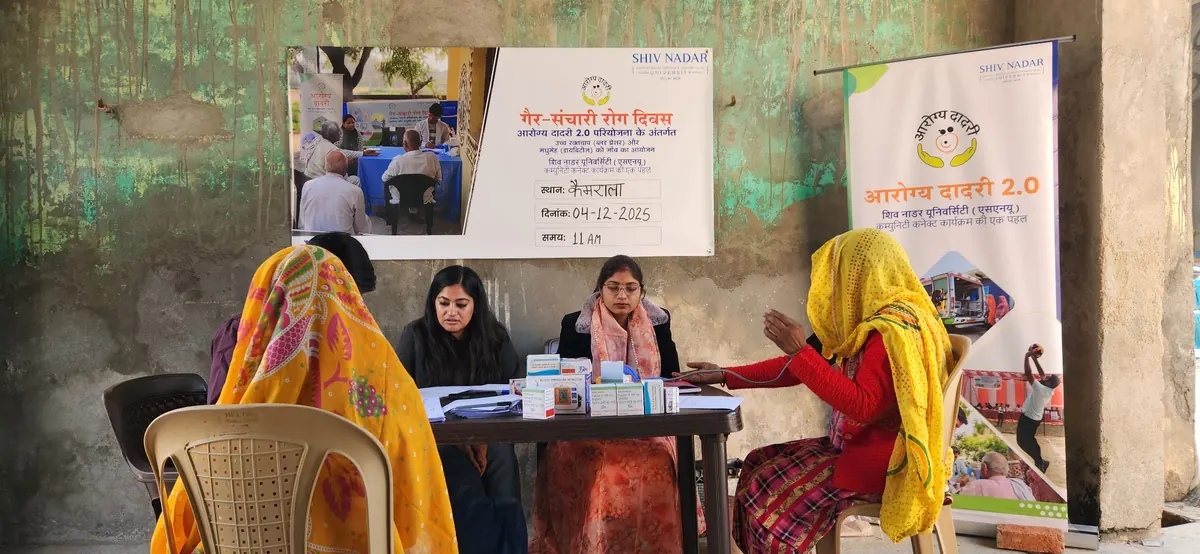
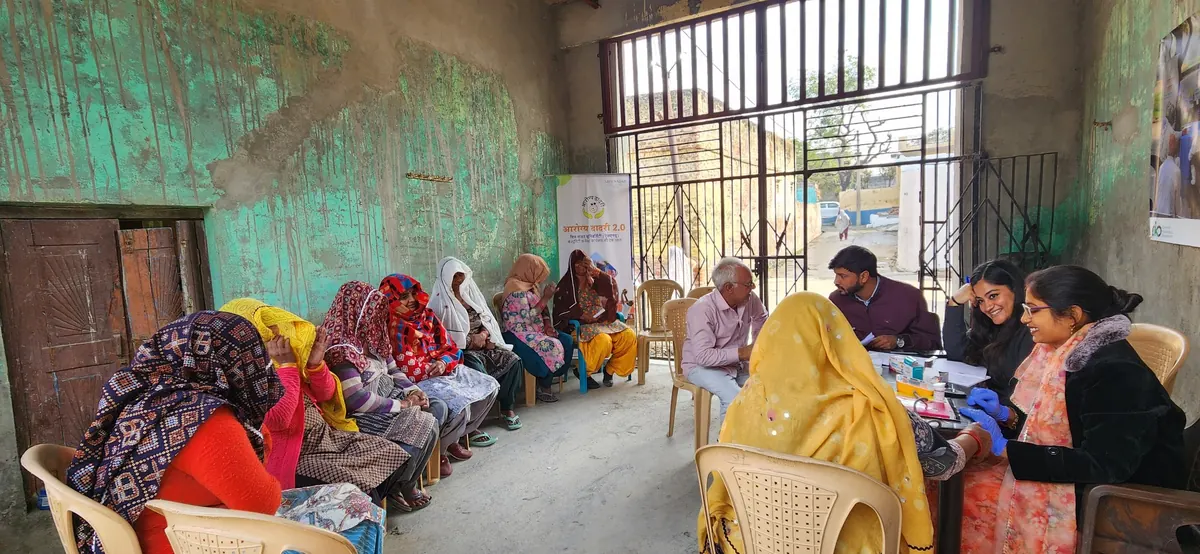
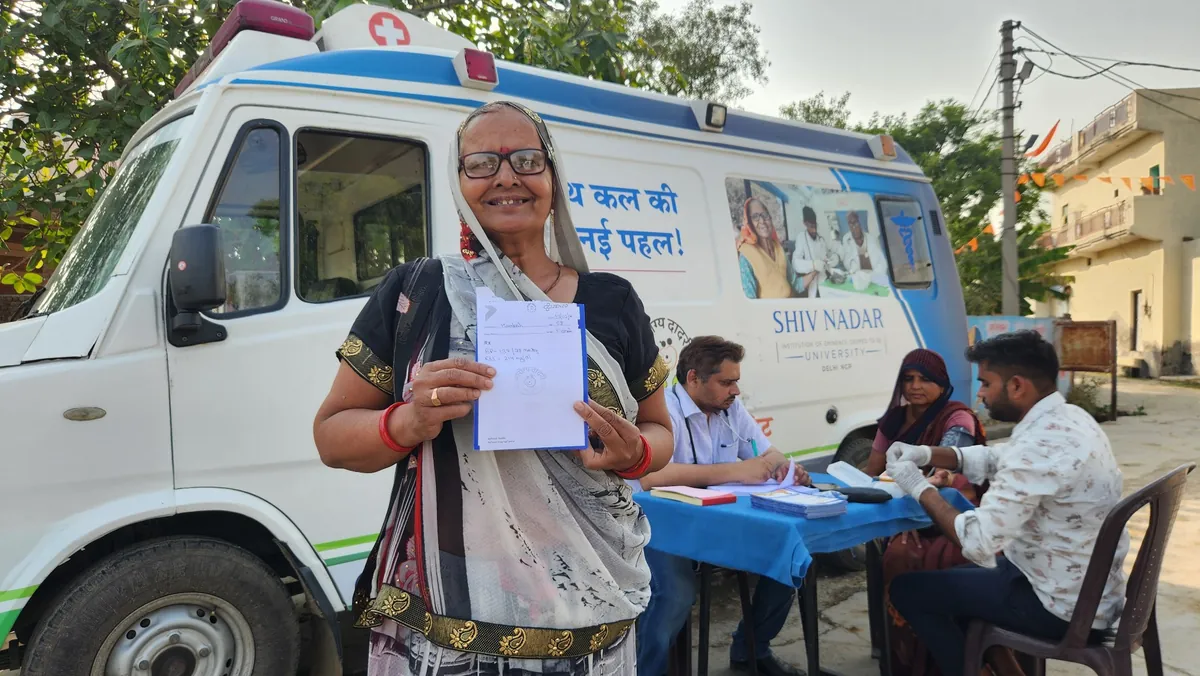
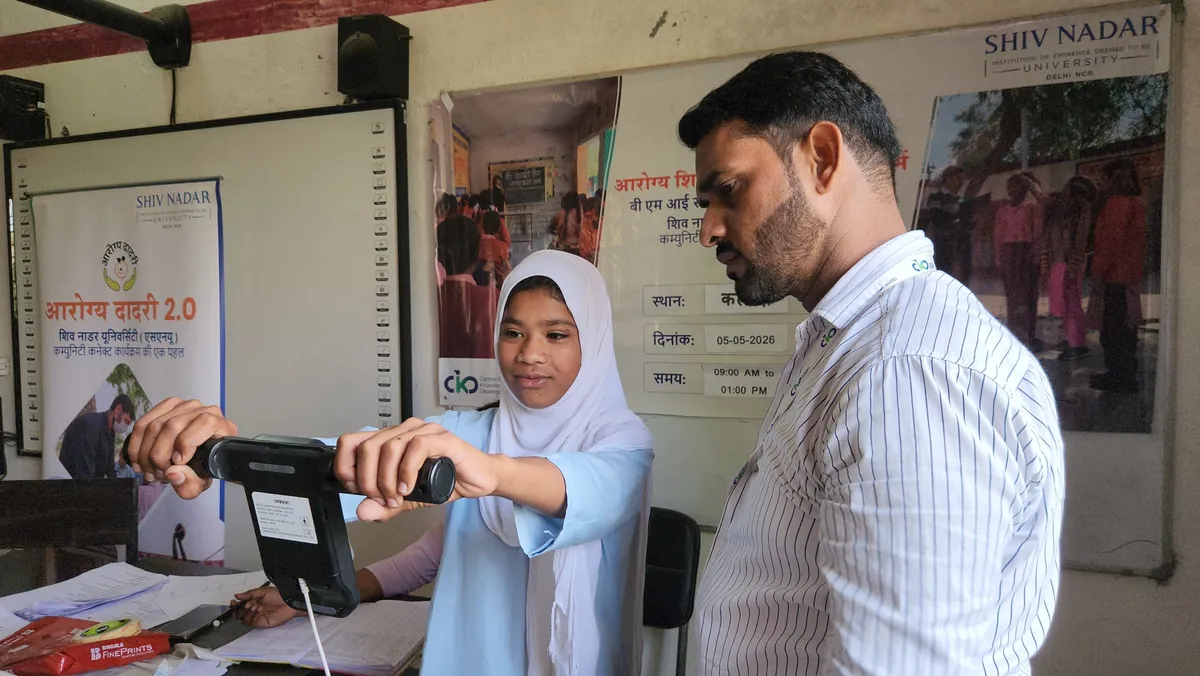
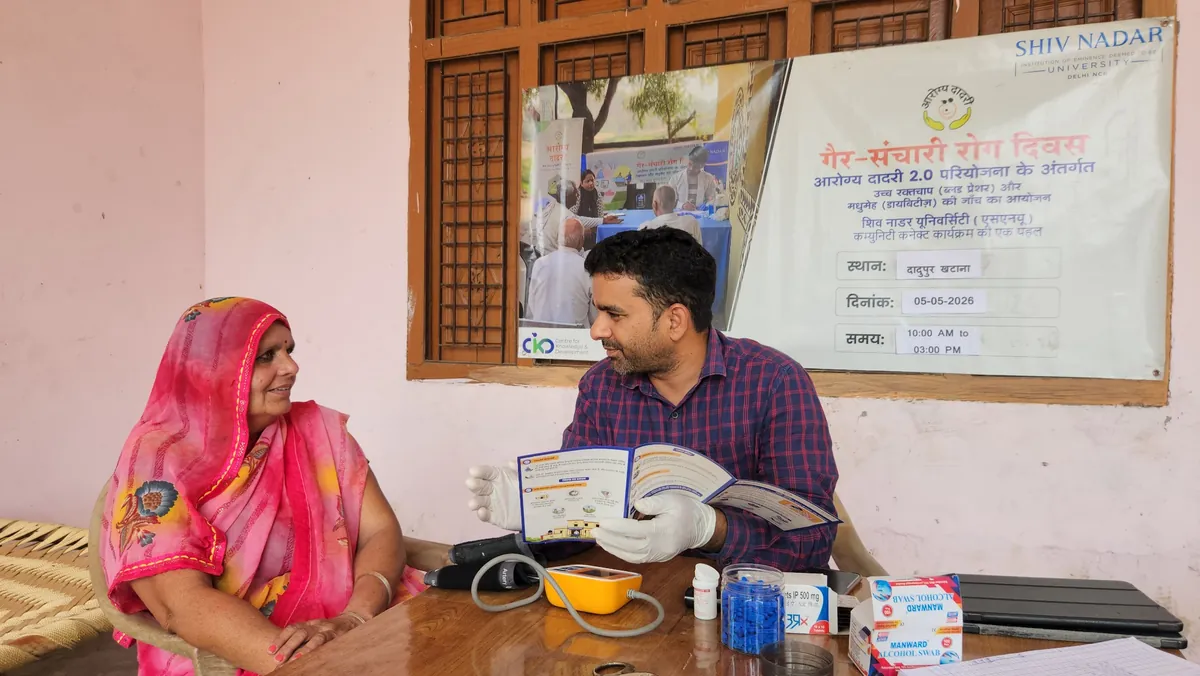
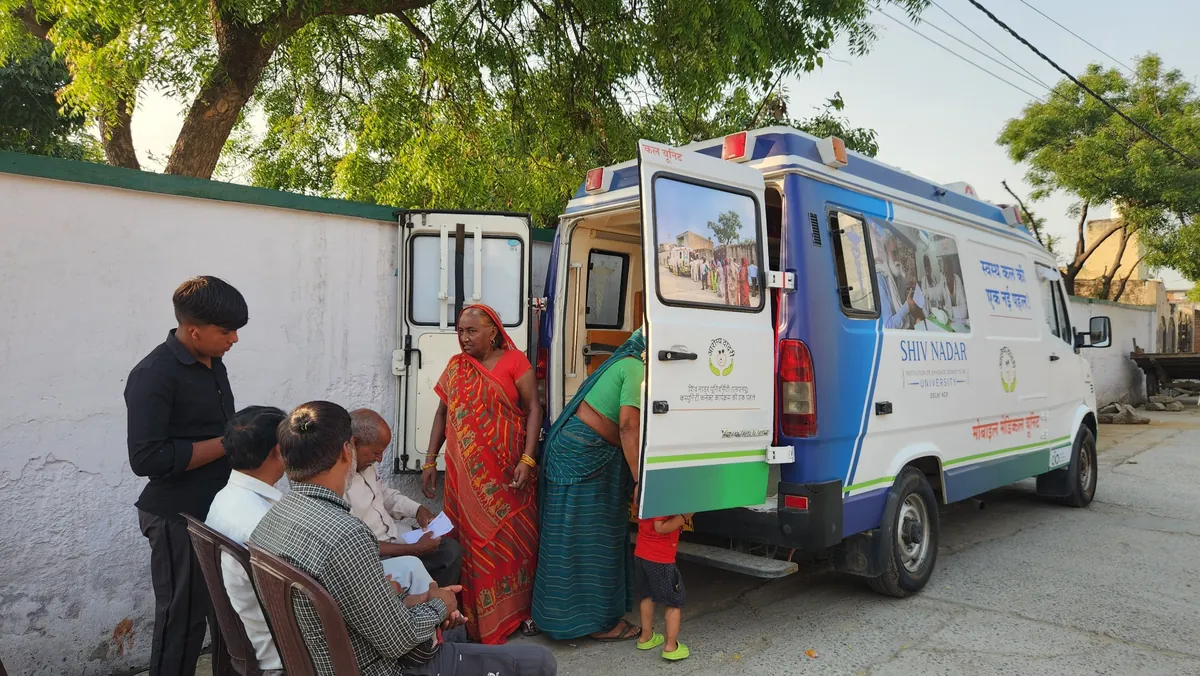
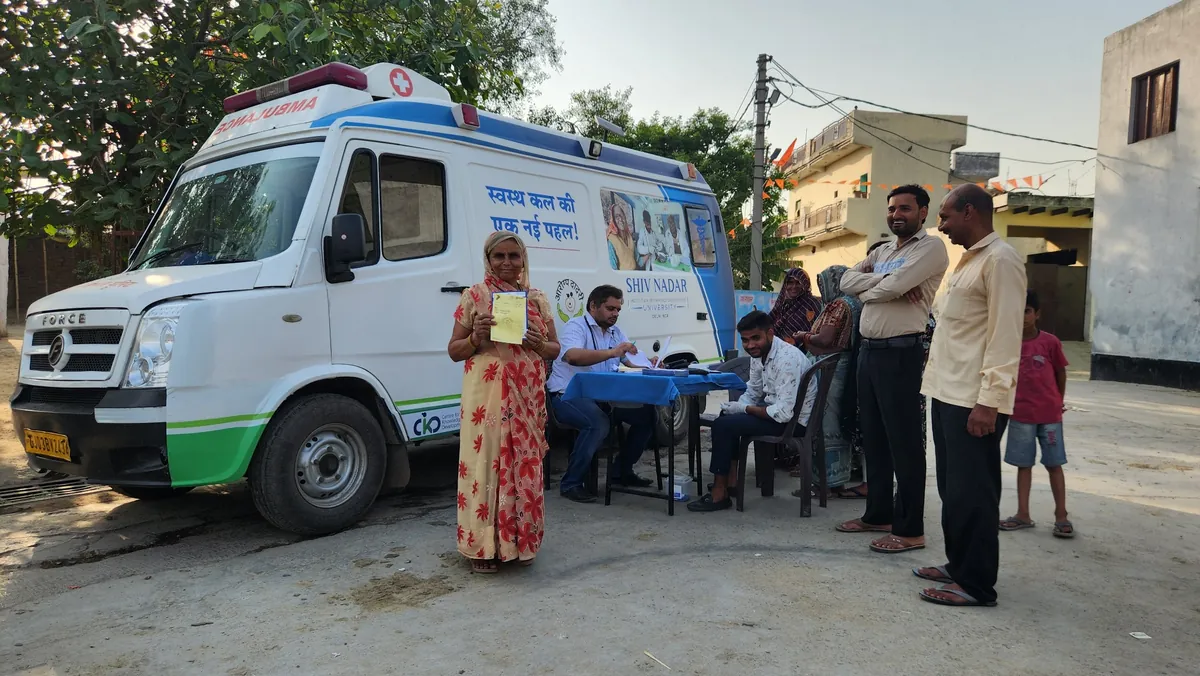
Enable population-based screening for hypertension and diabetes across 30 villages through multiple platforms including Ayushman Arogya Mandirs, Outreach Sessions and Mobile Medical Units.
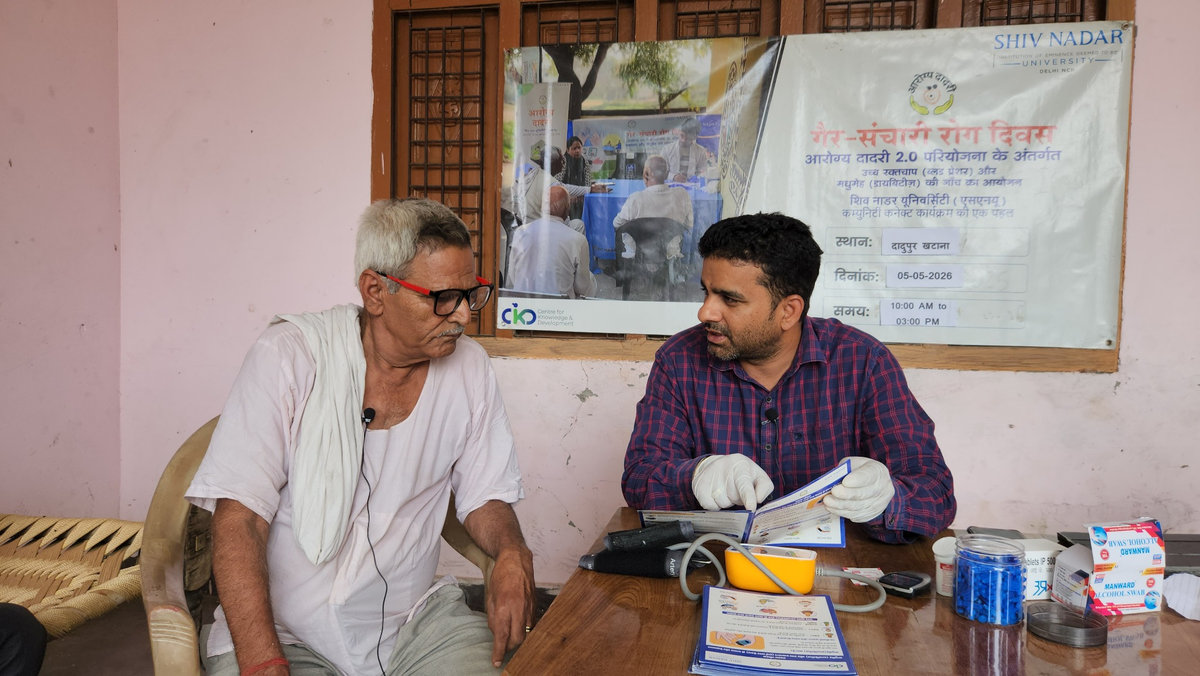
Build capacity of frontline health workers (CHOs, ANMs, ASHAs and NCD Cell Staff) to deliver quality NCD screening, diagnosis, management, and referral services.
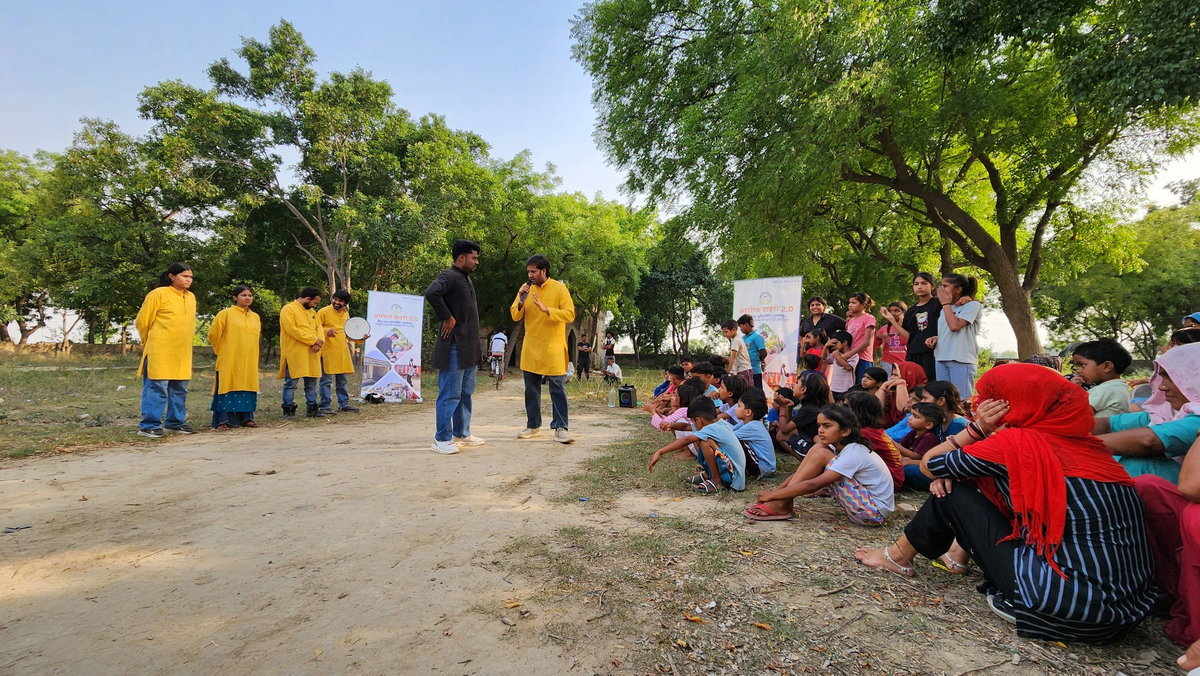
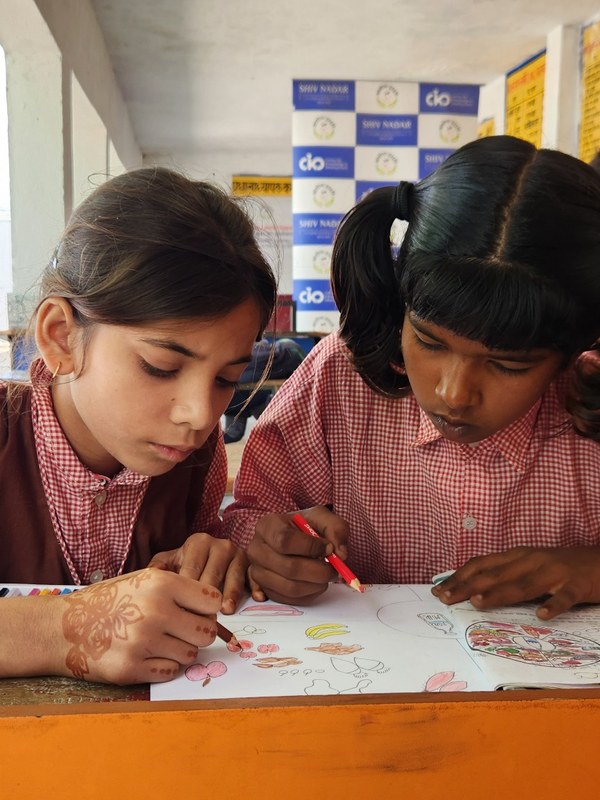
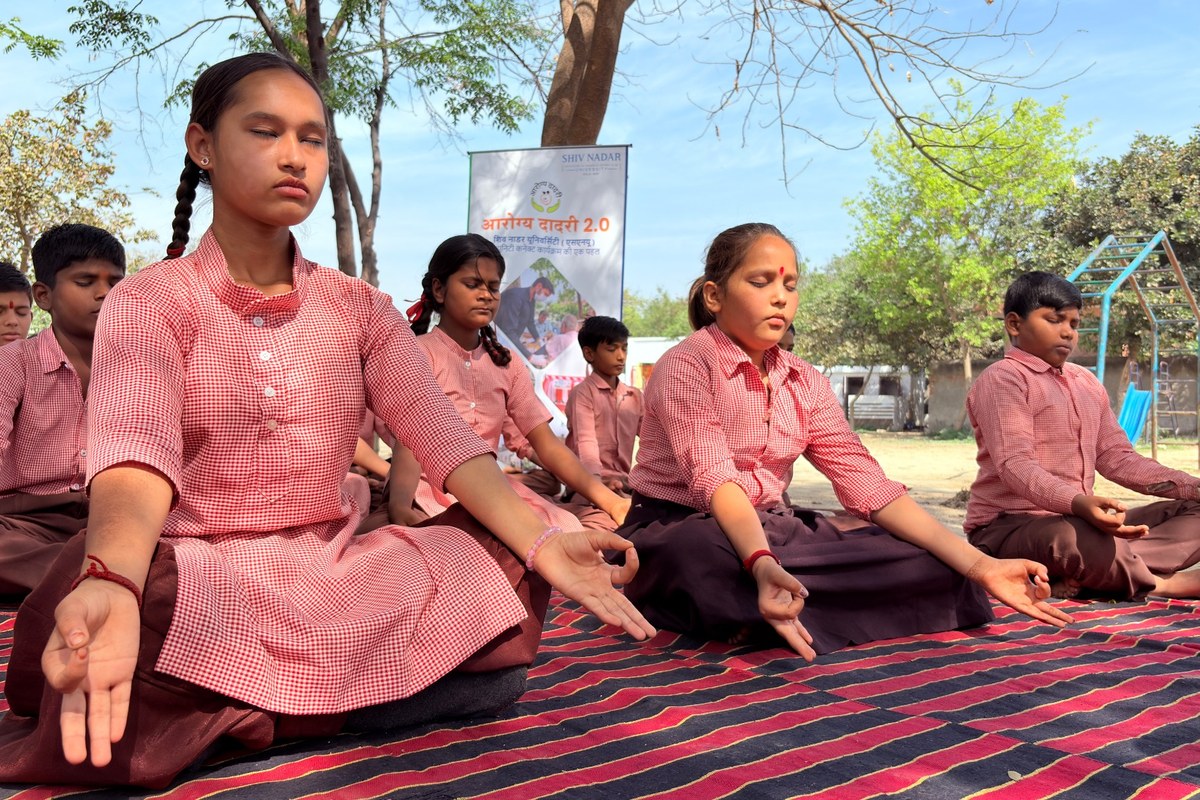
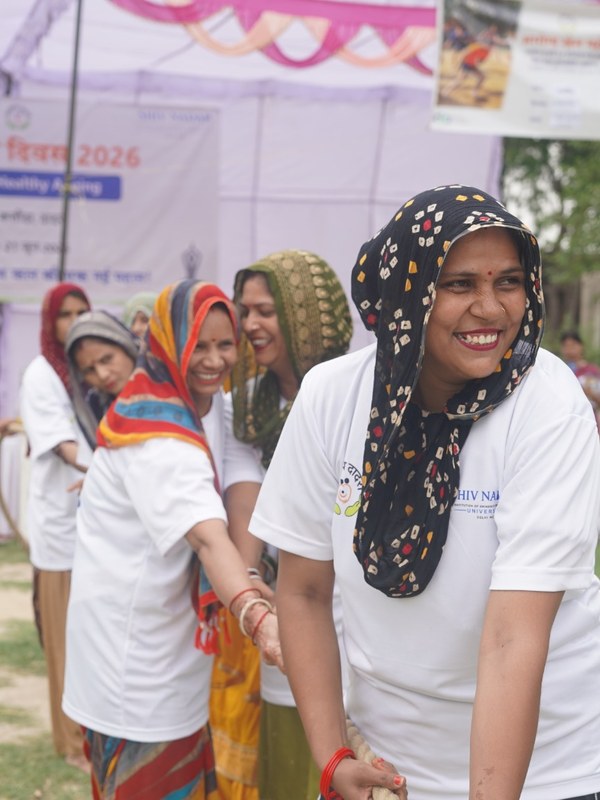
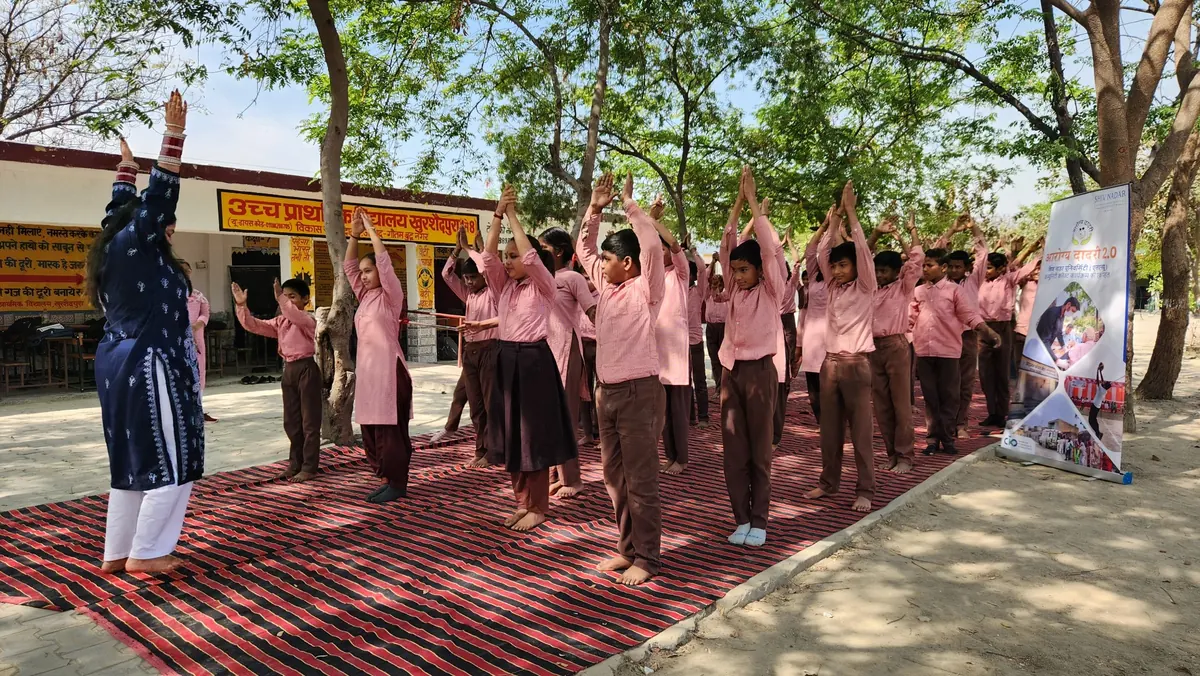
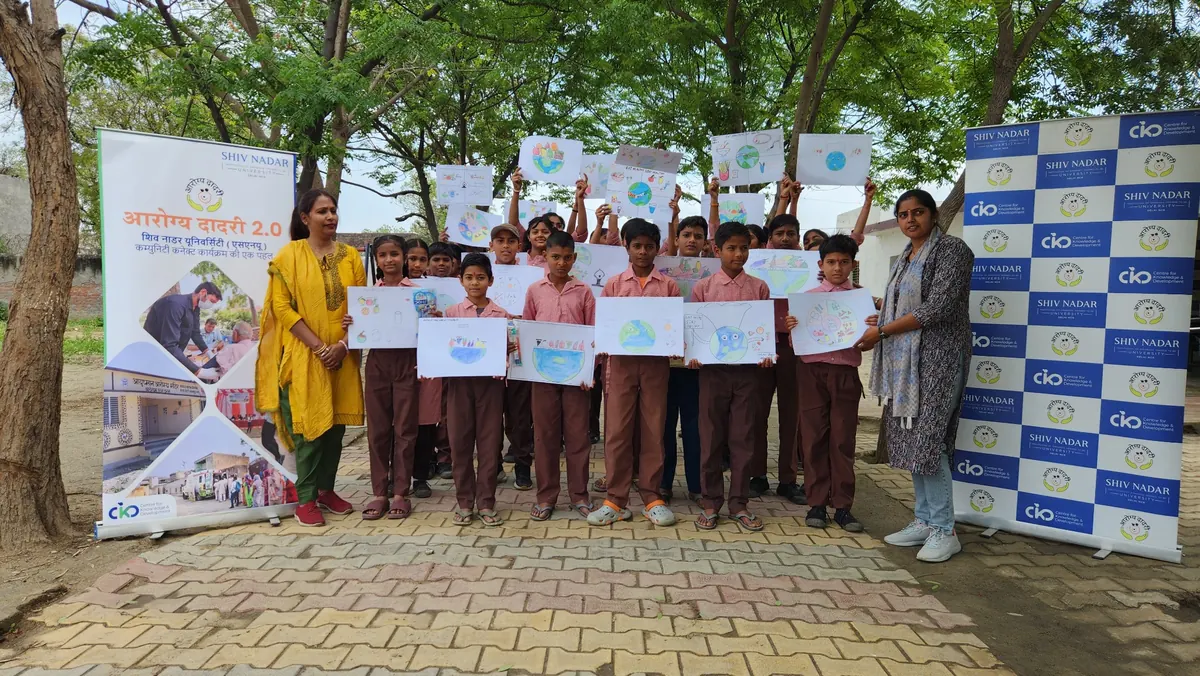
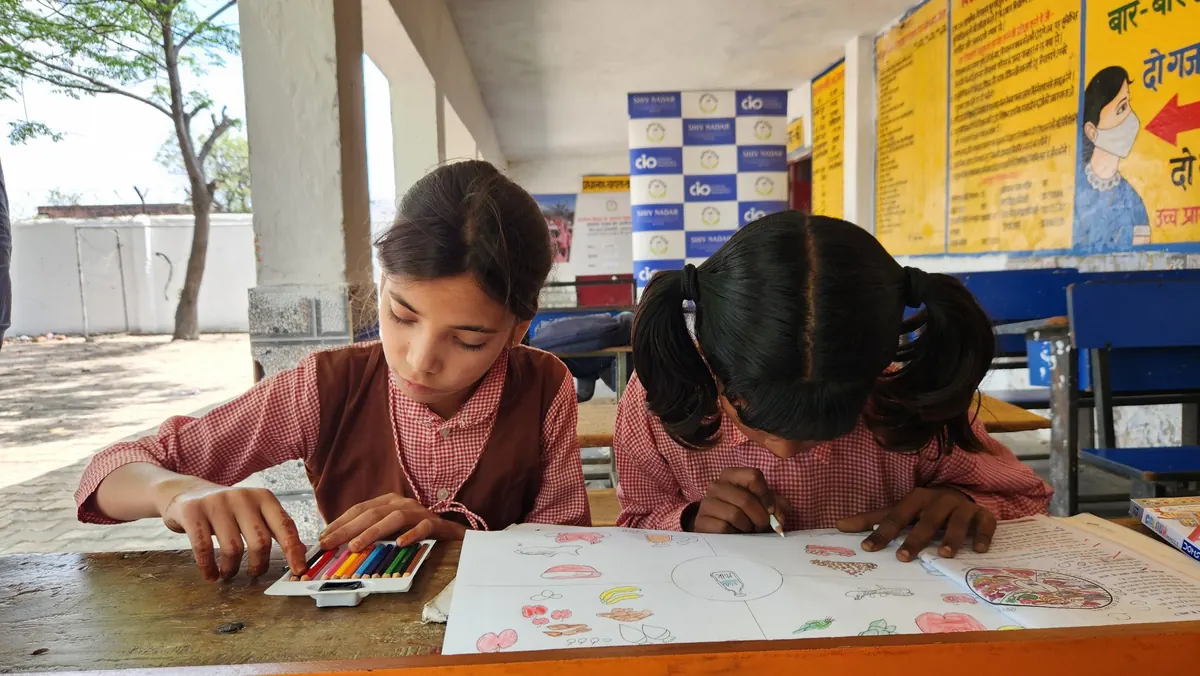
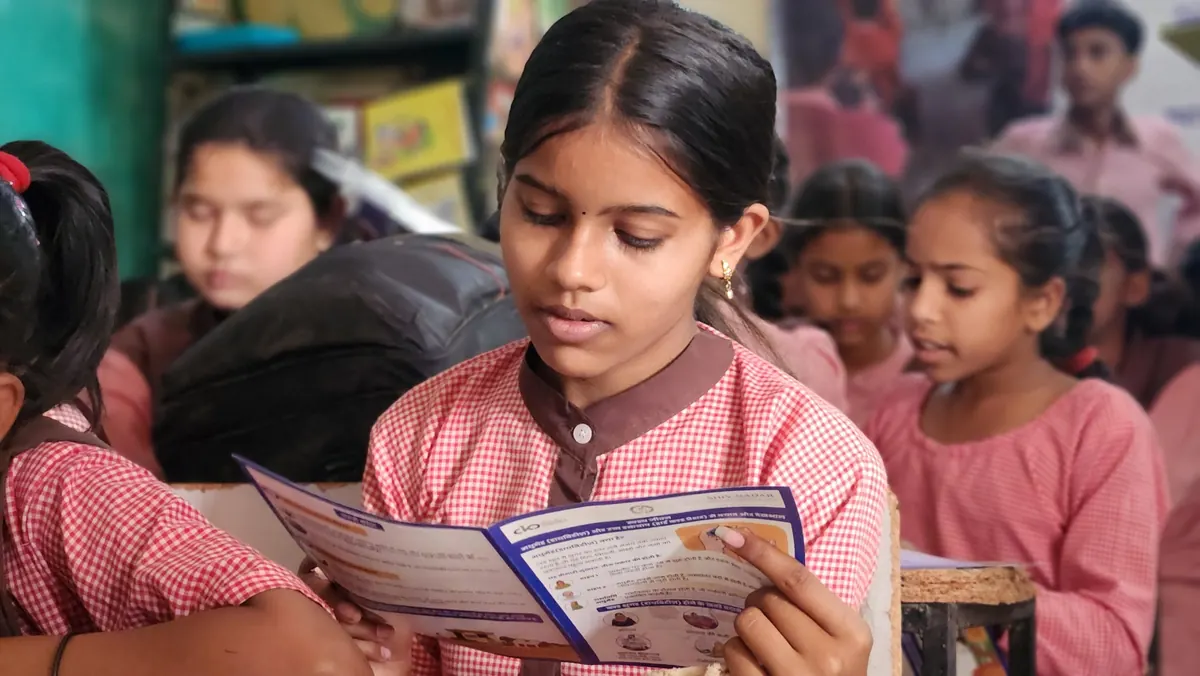
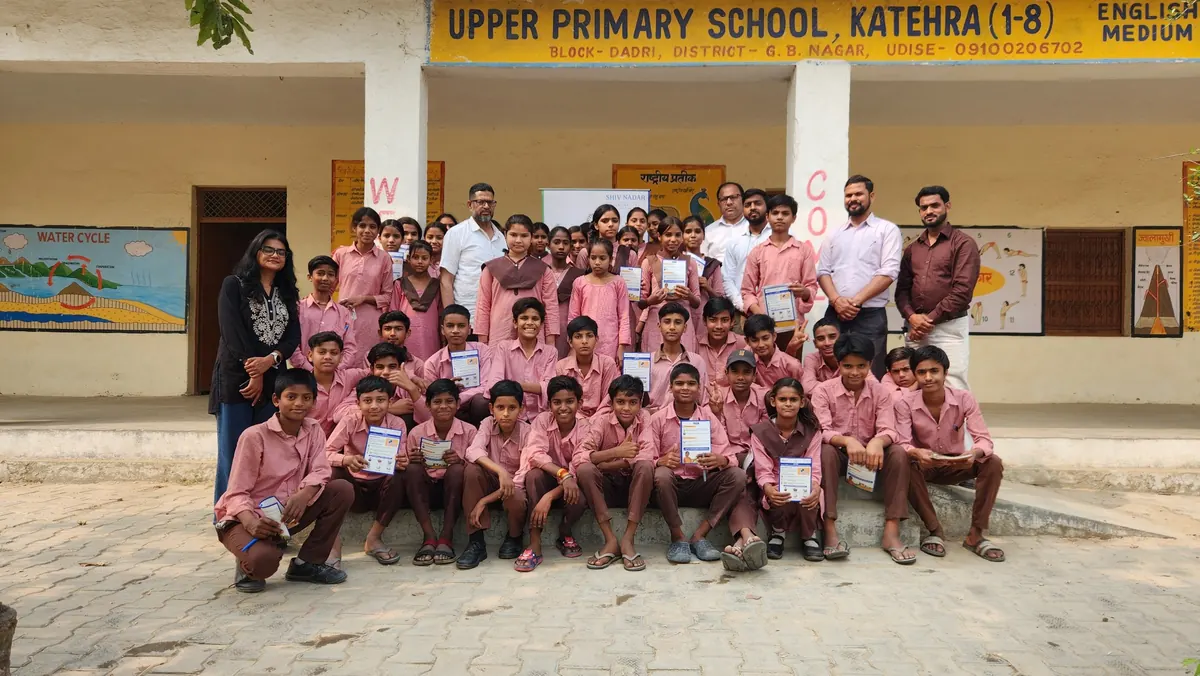
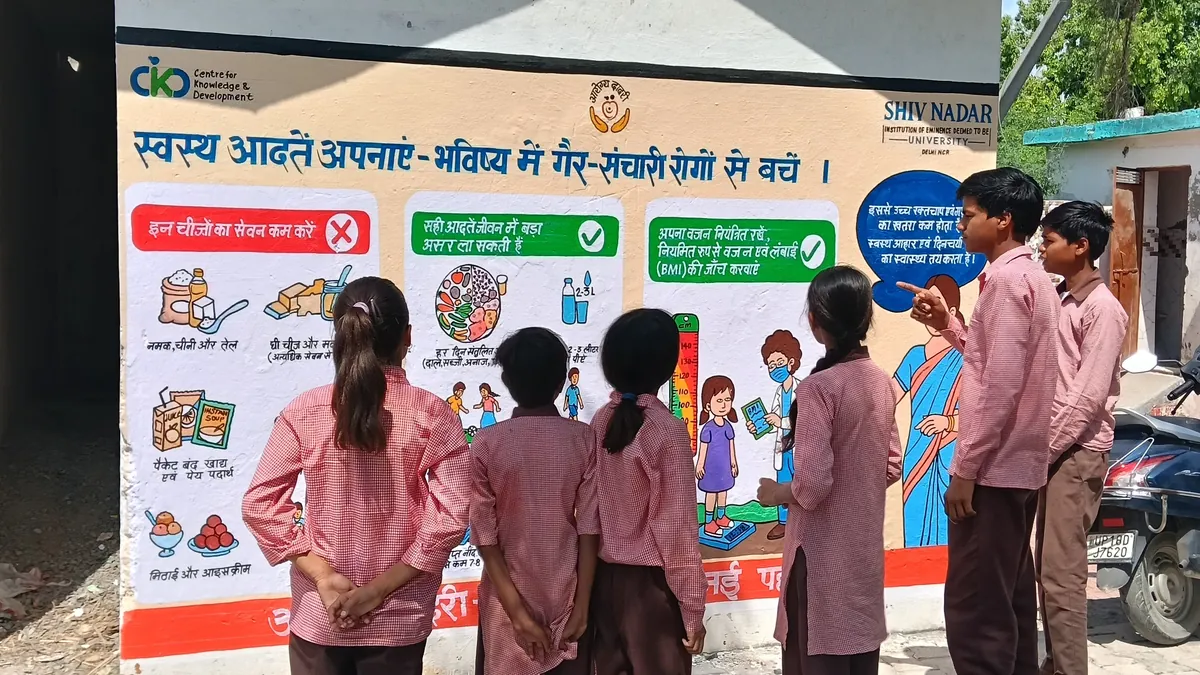
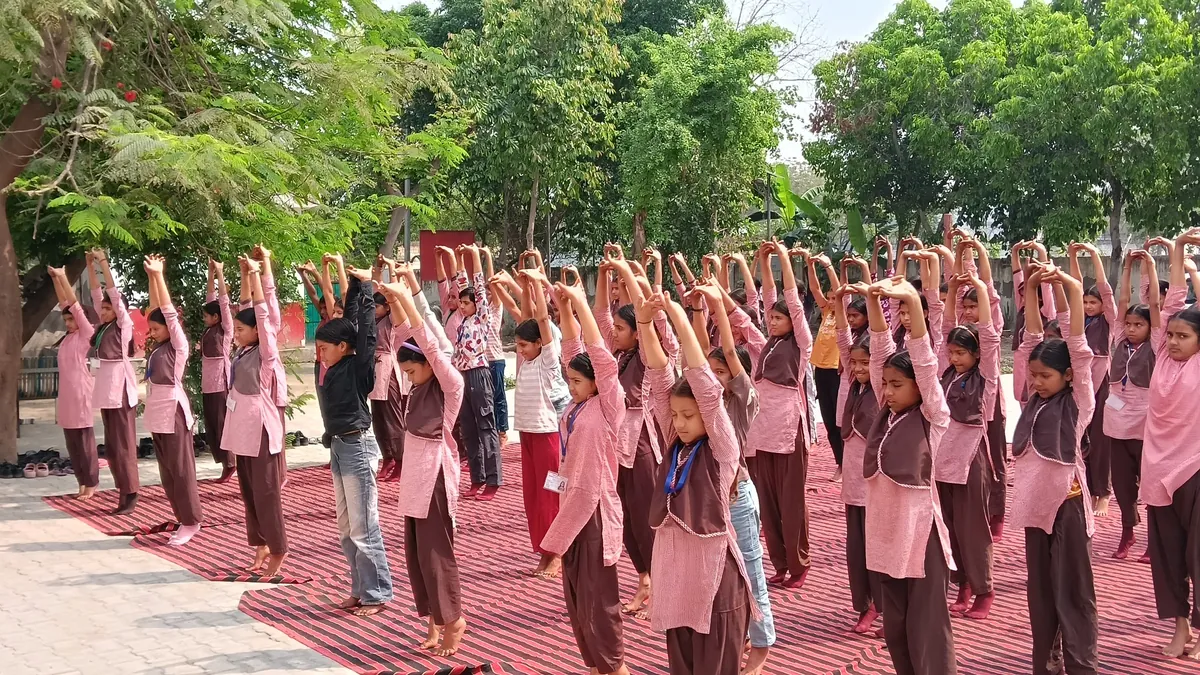
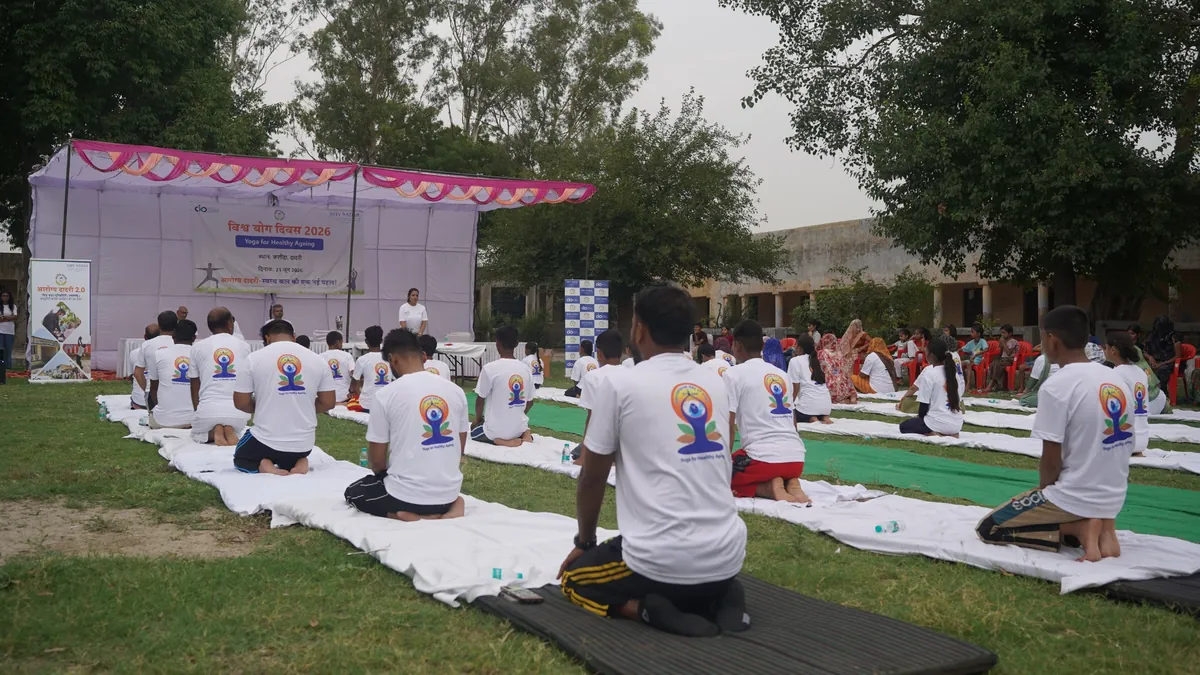
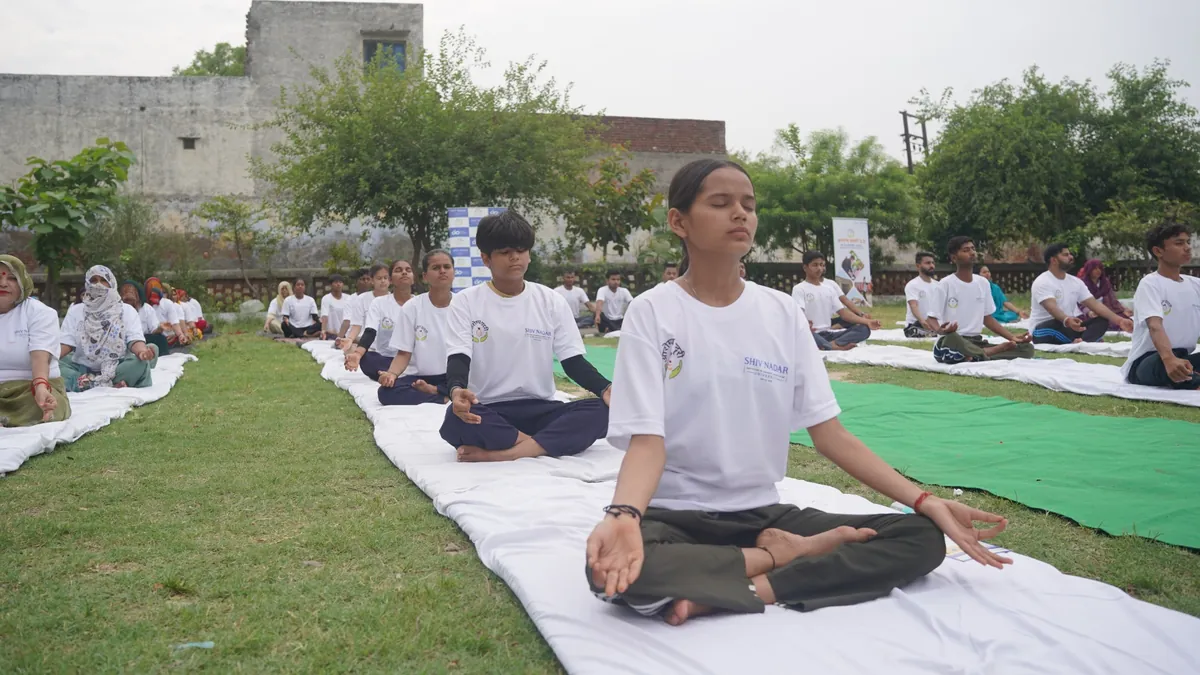
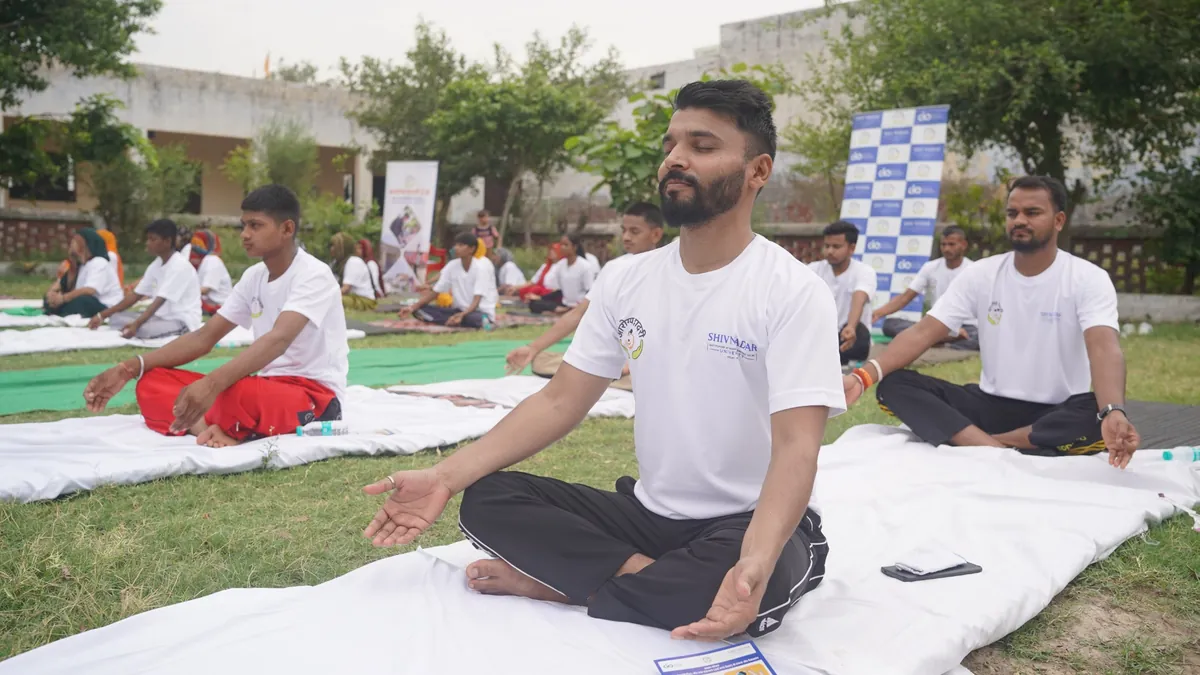
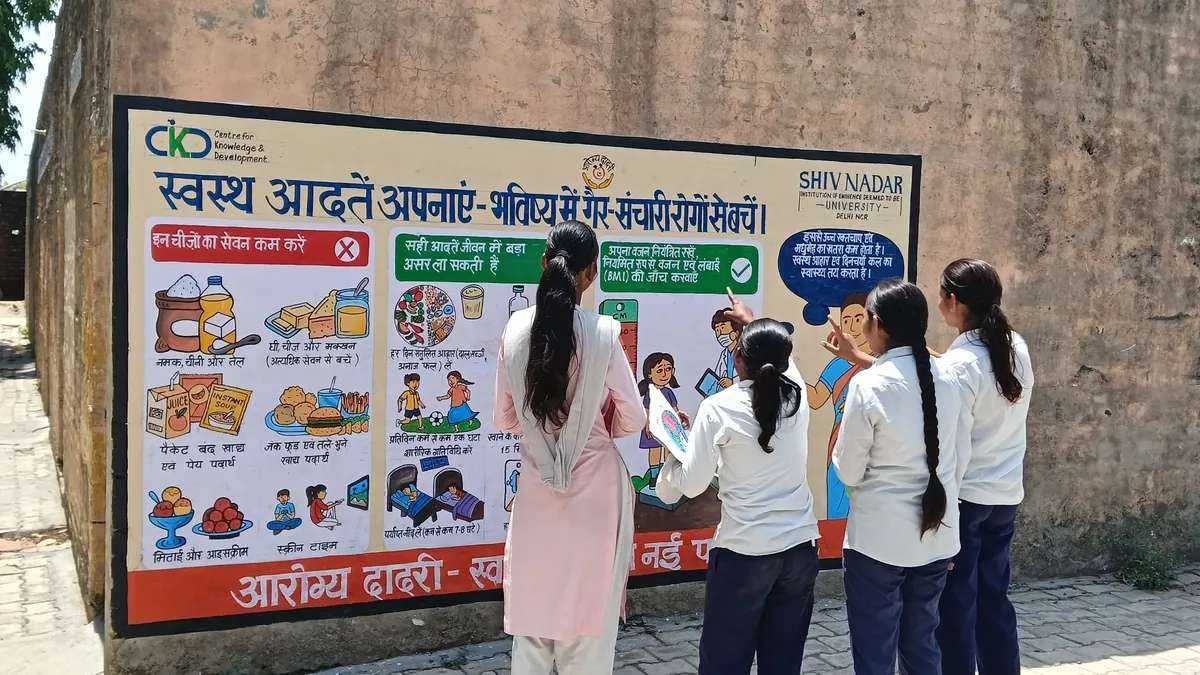
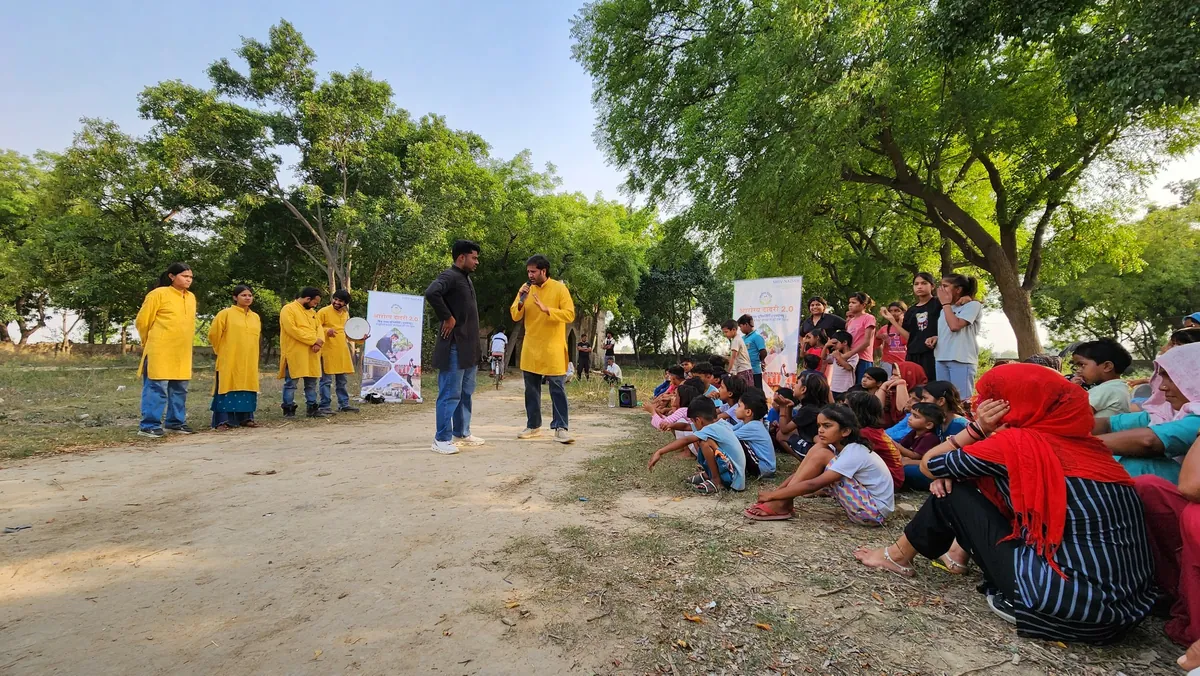
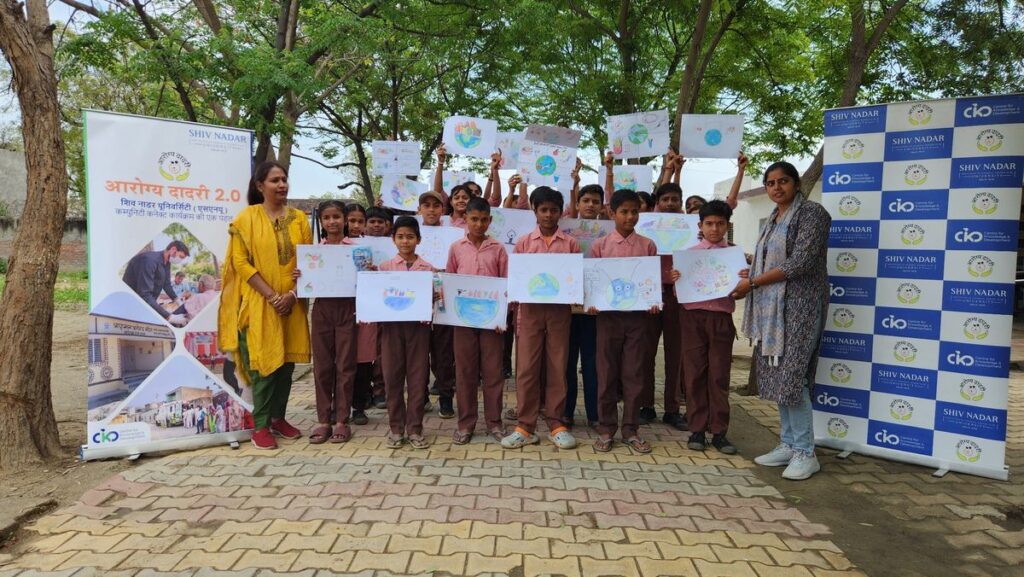
Promote health awareness through sports events, school-based programs, mid media campaigns and social mobilization activities targeting all age groups, with a special focus on people aged 30 and above.
Establish strong follow-up mechanisms and referral pathways to ensure diagnosed individuals receive appropriate treatment and ongoing management support.
10 villages (Chithara, Kalonda, Khatana Dheerkhera , Kaimrala, Kathhera, Khurshaidpura, Milak Khatana, Chek Senpur urf Dhanubas, Bhopur)
10 villages (Bodaki, Palla, Datawali, Nayi Basti, Nangla Nayansurkh, Badhpura, Khandera Dadupur Khatana, Salarpur Kalan, Muthiyani)
10 villages (Upralsi, Galauti Khurd, Patadi, Rasolpur, Ranoli Latifpur, Shahpurkhurd, Bambavad Akalpur, Bisahda, Rajatpur)
50,070
29,765
24,348
4 HWCs
2 HWCs
5 HWCs
3 CHO, 4 ANM, 30 ASHA
2 CHO, 6 ANM, 21 ASHA
5 CHO, 6 ANM, 22 ASHA
Ecosystem-Based Framework
Arogya Dadri 2.0 follows a four-pillar approach to strengthen the NCD care ecosystem:

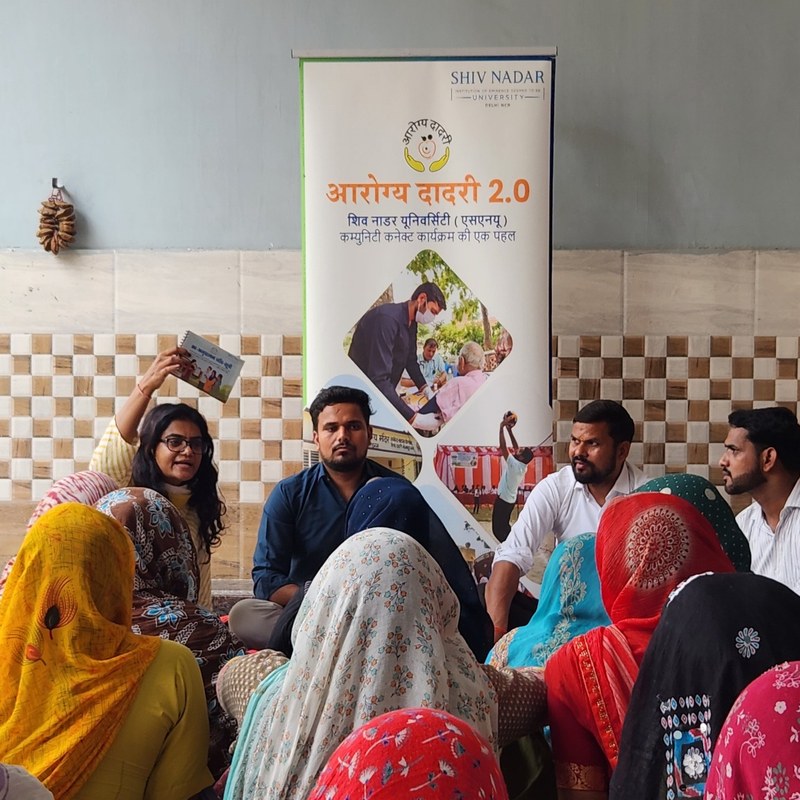
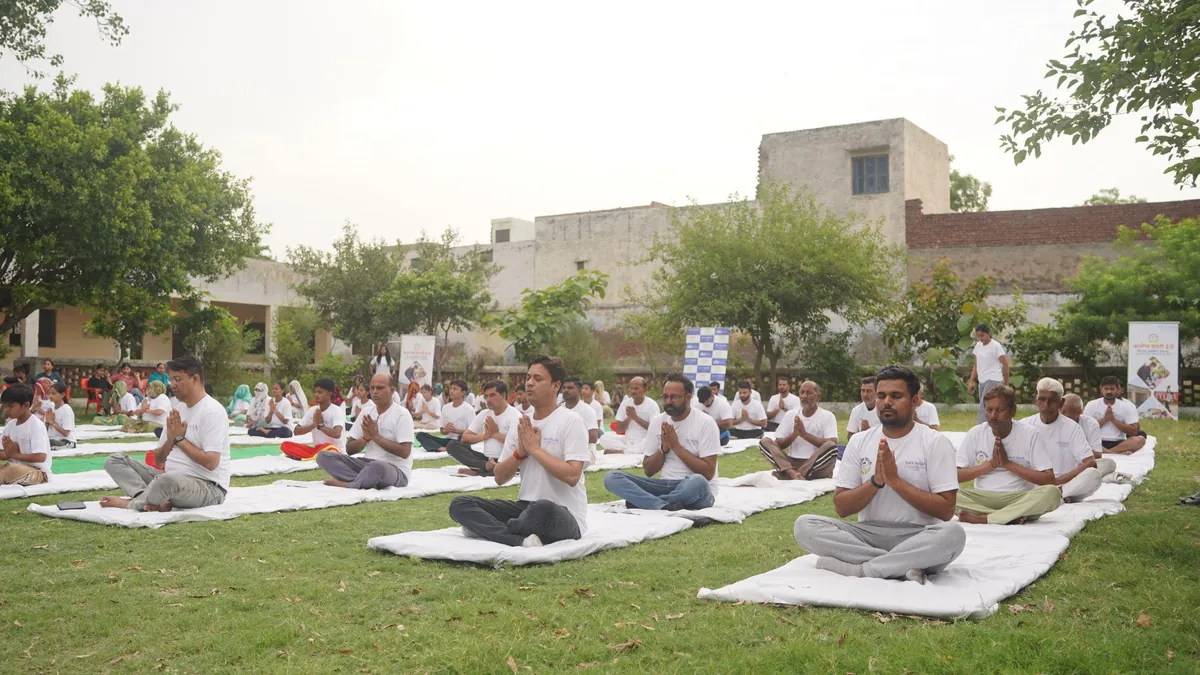
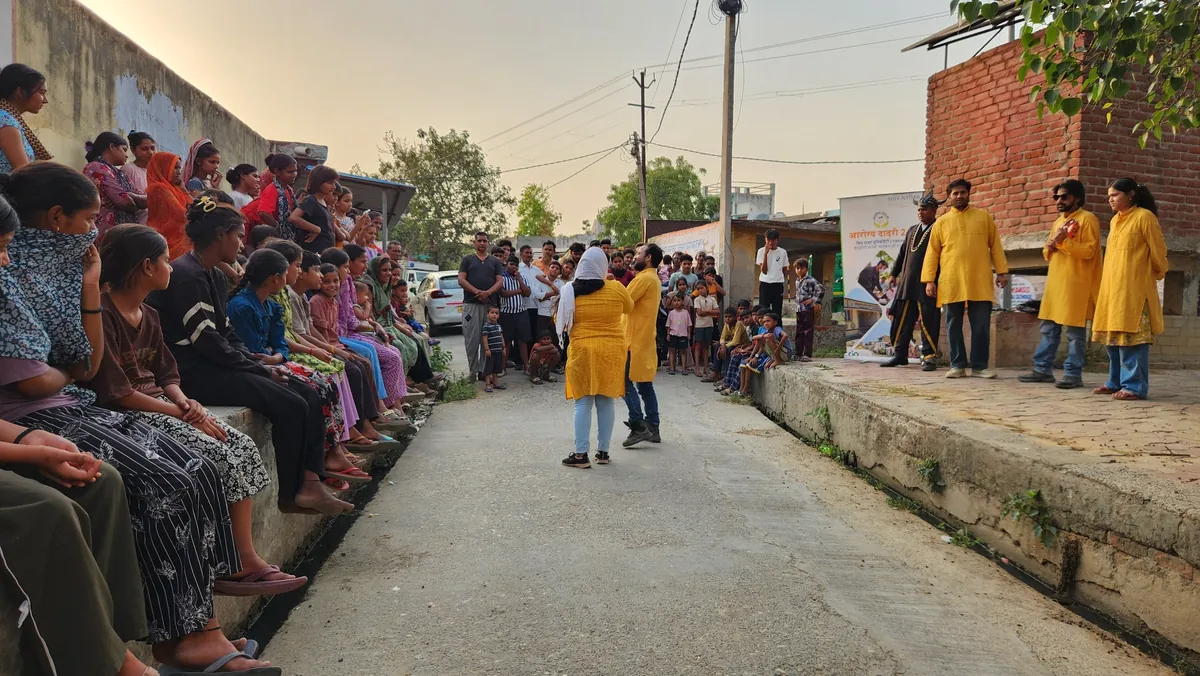
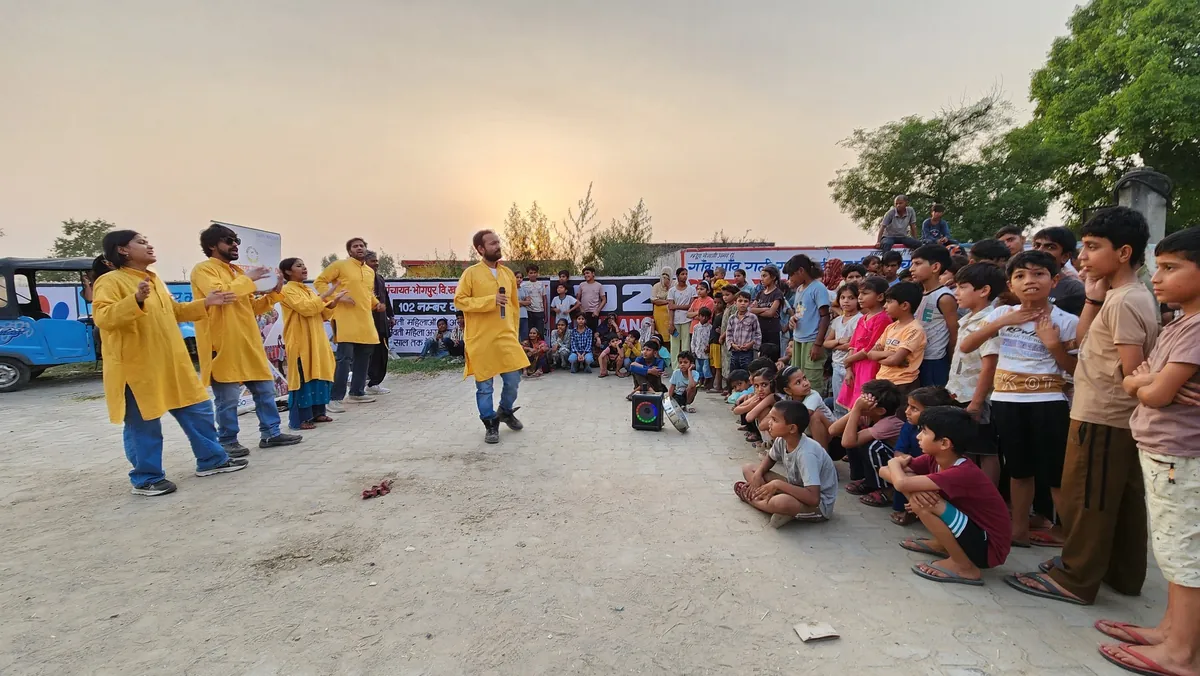
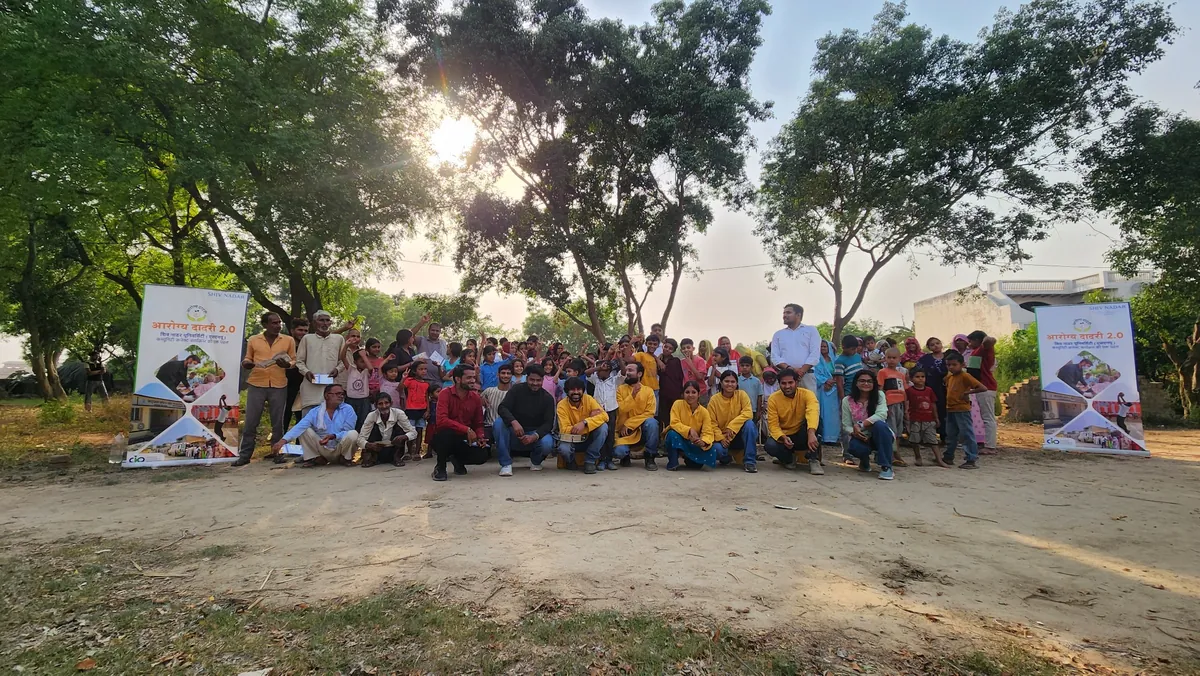
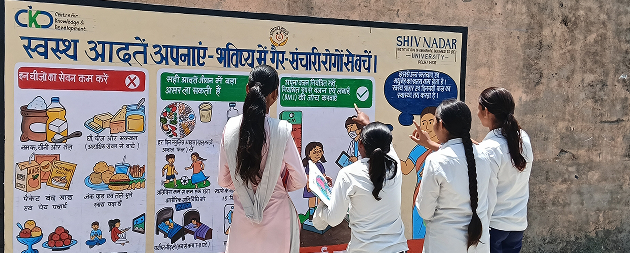
Building health consciousness and NCD prevention mindsets across all community segments through dynamic community health promotion activities including village sports events, school-based health programs that equip youth with disease prevention knowledge, and innovative mid-media campaigns (puppet shows, street play, e miking) that reach diverse audience segments in culturally resonant ways.
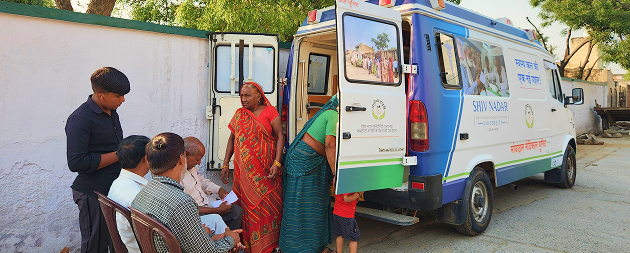
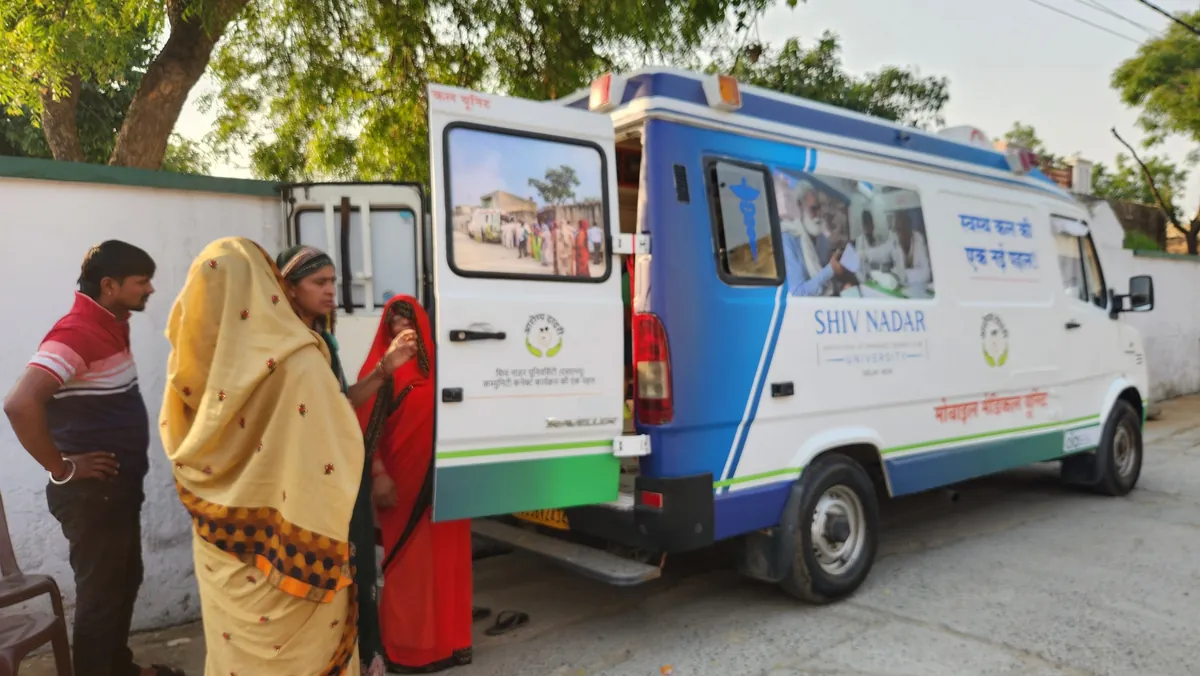
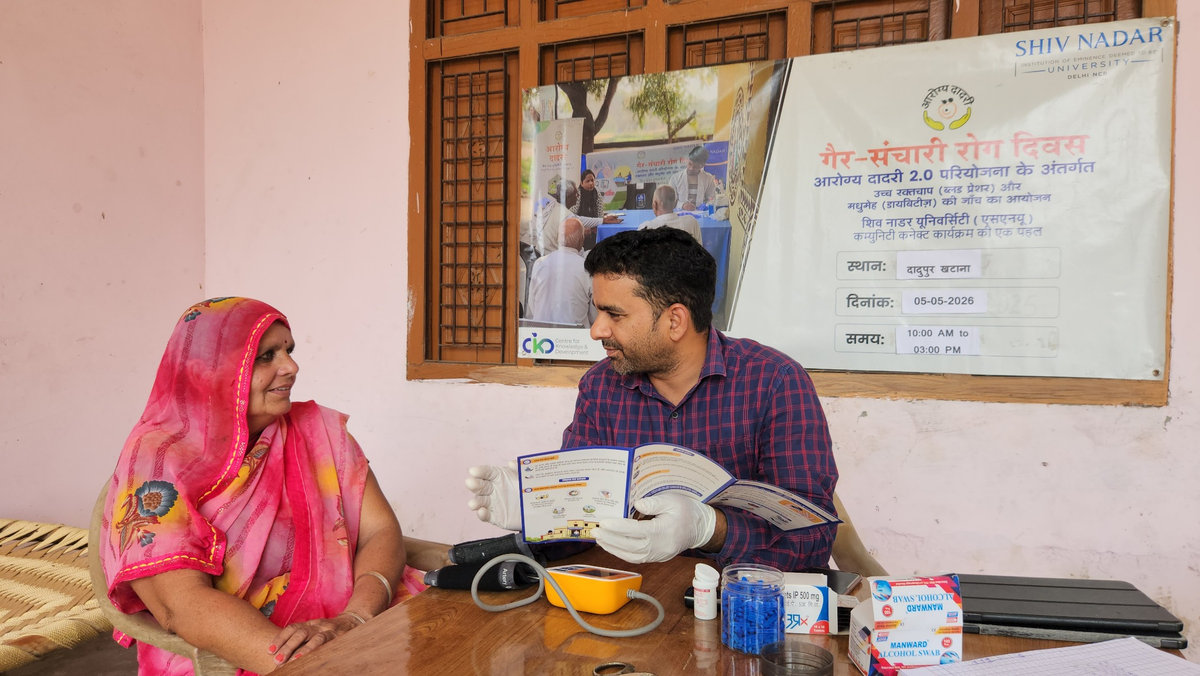
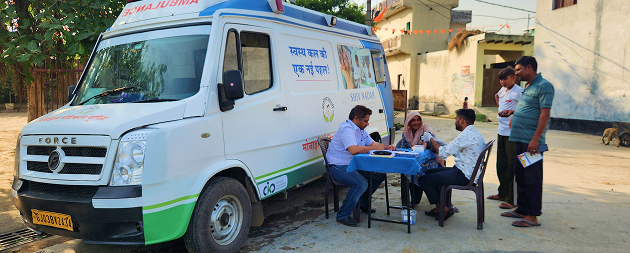
Creating accessible screening pathways through strategically positioned Mobile Medical Units and Ayushman Arogya Mandirs outreach activities, enabling early detection of hypertension and diabetes at the population level. The pillar emphasizes strengthened referral systems and care linkages to ensure that identified cases transition seamlessly into appropriate diagnostic and treatment pathways.
Elevating the competence and confidence of the frontline health workforce through comprehensive capacity building on NCD screening protocols, evidence-based diagnosis procedures, and treatment guidelines for hypertension and diabetes management. This includes training on clinical assessment, medication management, and patient communication skills.
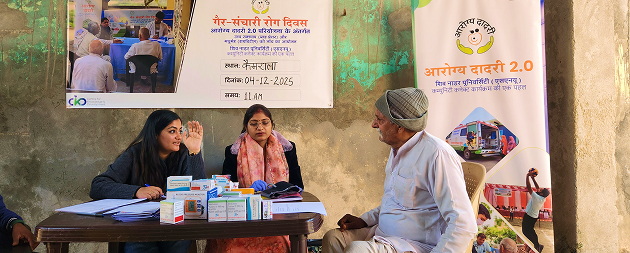
Supporting sustained behavior change and treatment adherence through personalized patient counseling by Community Health Officers and Cluster Coordinators on disease management, lifestyle modification strategies, and self-care principles. This pillar utilizes supportive tools like the Self-Adherence Checklist for self-monitoring and community-based follow-up mechanisms like peer support groups and influencer-led community meetings to provide support to optimize long-term health outcomes.
Infrastructure development and equipment provision for 11 HWCs across three clusters, ensuring they are fully equipped for NCD screening.
140 Mobile Medical Unit camps annually, targeting 7,000 screenings to reach previously unscreened populations.
Monthly community screening events at AAMs and outreach sessions, led by CHOs/ANMs, with a collective target of 240 NCD Diwas events across all clusters.
Comprehensive training and refresher training for frontline workers (CHOs, ANMs, ASHAs and NCD Cell Staff) on NCD screening protocols, patient counseling, and disease management.
84 village sports events to promote physical activity and create awareness about healthy lifestyles.
School-based interventions targeting 10 schools and reaching adolescents aged 10-19 to build healthy lifestyle habits and support the early identification and prevention of NCD risk factors.
Mid-media campaigns including puppet shows, street plays, and awareness vans to reach diverse community segments.
Individual follow up and patient education, self-adherence checklists, Peer support groups and Influencer led community meetings to support sustained lifestyle changes and treatment adherence.
Achievements to Date (Project Ongoing)
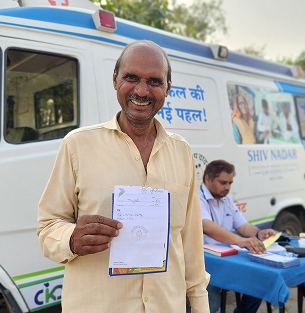
A 31-year-old resident of Bodaki Village, Dadri.