Across India, nearly 1 in 4 adults lives with hypertension and 1 in 7 with diabetes — yet millions remain undiagnosed, untreated, and unsupported. The challenge is not only clinical; it is systemic. Strengthening primary healthcare systems to identify, treat, and retain patients in long-term care requires coordinated action across every level of the healthcare delivery system.
Since May 2024, “Swasthya Sankalp - A Holistic Approach to Hypertension and Diabetes Management” -implemented by IPE Global Centre for Knowledge and Development (IPE-CKD) in partnership with Resolve to Save Lives (RTSL).
It has been working across 9 districts each in Gujarat, Maharashtra, and Karnataka amounting to total 27 districts to do exactly that. Operating within the framework of India's National Programme for Prevention and Control of Non-Communicable Diseases (NP-NCD), the project embeds technical support at state, district, and facility levels, strengthening the entire continuum of care — from community-level screening to long-term patient management till control at the Ayushman Arogya Mandir (AAM).
By strengthening 8,953 Ayushman Arogya Mandirs serving a target population of over 26 million individuals aged 30 years and above, Swasthya Sankalp is bridging critical gaps in workforce capacity, supply chain resilience, data systems, and evidence-based programme governance — ensuring that people living with hypertension and diabetes receive the quality care they need, close to where they live.
Cascade training programmes for Medical Officers, Community Health Officers, Staff Nurses, Pharmacists, and Program Managers on Standard Treatment Protocols, NCD Portal usage, and Continuum of Care
District performance rankings, NCD Bulletins, and macro-based missed follow up due list tool to institutionalize evidence-based programme reviews at state, district, and facility levels.
Morbidity-based drug forecasting, e-Aushadhi capacity building, and improved drug availability, real-time stock tracking to ensure uninterrupted availability of protocol medicines at the last mile.
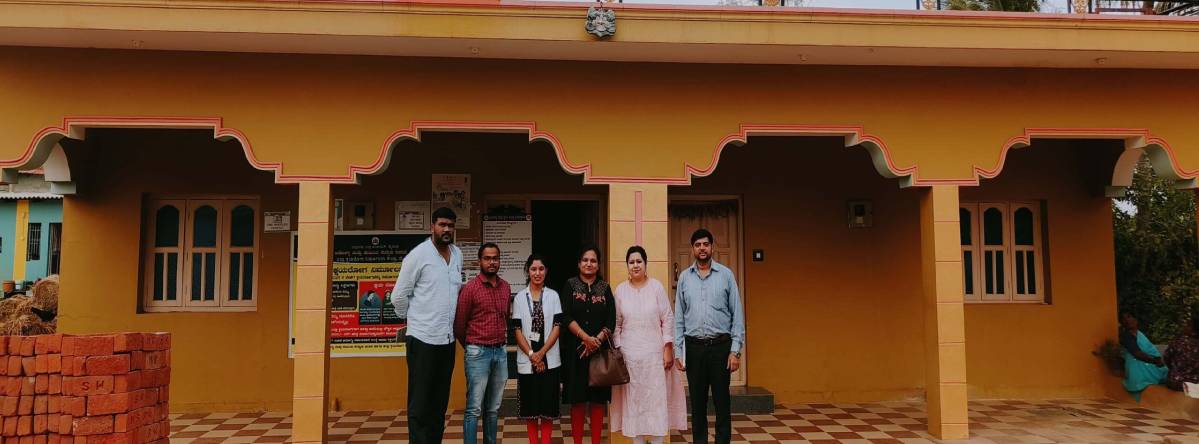
Structured facility visits with standardised checklists, followed by formal feedback reports to district and state authorities — enabling real-time corrective action and quality improvement. Hands on training provided as per the gaps identified
Strategic support to state governments across policy platforms, NHM review meetings, SOPs development, and initiatives such as Special Screening Drive, Swasth Nari Sashakt Parivar Abhiyaan, Gruha Arogya, Know Your Numbers, VHSND integration
Leveraging ASHA and Jan Arogya Samiti platforms, VHSND integration, and e-Sanjeevani-enabled follow-up to strengthen the community-to-facility continuum of care.
A National Milestone: Gujarat Ranks #1 in India: Gujarat has achieved highest hypertension and diabetes control rates among all 36 States/UTs in India.
In Gujarat, two of the nine Swasthya Sankalp intervention districts achieved first and second rank statewide in the District NCD Rankings as per NCD Bulletin published by State — incorporating screening, treatment, follow-up, control rates, and ABHA ID integration — demonstrating that district-level accountability frameworks, when backed by strong data systems and continuous mentoring, can produce measurable, verifiable outcomes.
The project’s innovations — including an MS Excel macro-based missed follow-up tracking tool, NCD District Performance Bulletins, and a composite district ranking framework — have been adopted by state governments as routine programme management tools, signalling the transition from external technical support to institutionalised practice.
Presented at state review platforms chaired by Principal Secretaries, Mission Directors of NHM, and Commissioners of Health, Swasthya Sankalp’s approach to strengthening NCD care at primary healthcare level is being recognised as a replicable, evidence-based model for health system strengthening across the state and nationally also.

"Earlier, we had no way to know which patients had missed follow-up. After the project team introduced the due list tool, I can now see exactly who needs to come in — and our follow-up rate has increased nearly threefold in three months. Patients who had not been reviewed in over a year are now back on treatment."

"The training and SSV by Swasthya Sankalp team helped me understand not just how to screen, but how to use the NCD Portal to track patients over time. Now I can see who is on treatment, who is in control, and who needs to be called back. I had used VHSND platform effectively for same purpose. This has changed how I work every single day."