Reducing wasting and low- birth in 
children 0-3 years and improve the health and nutritional status of adolescent girls, pregnant women and lactating women

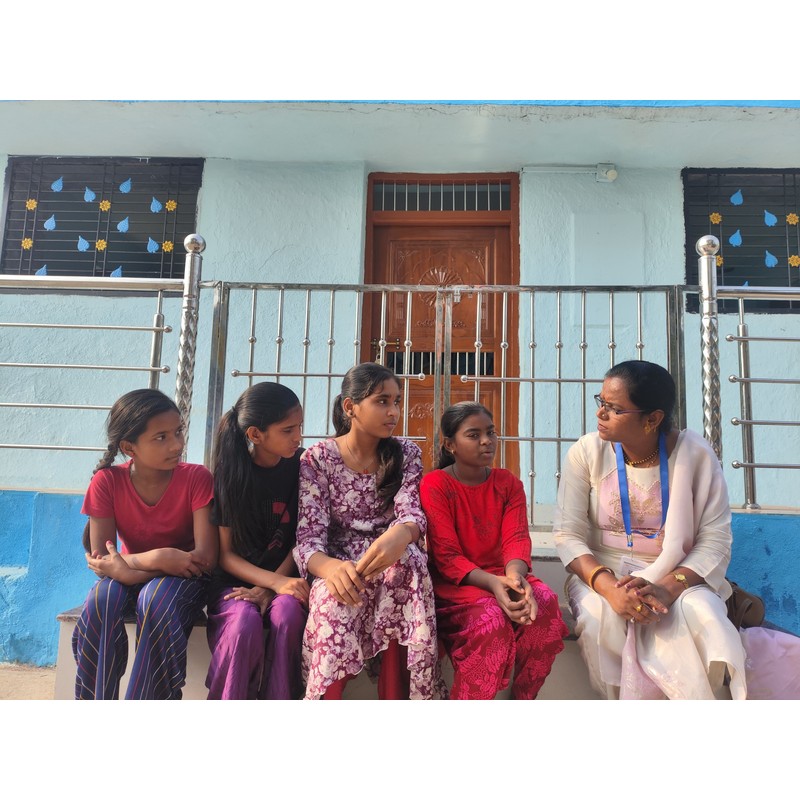
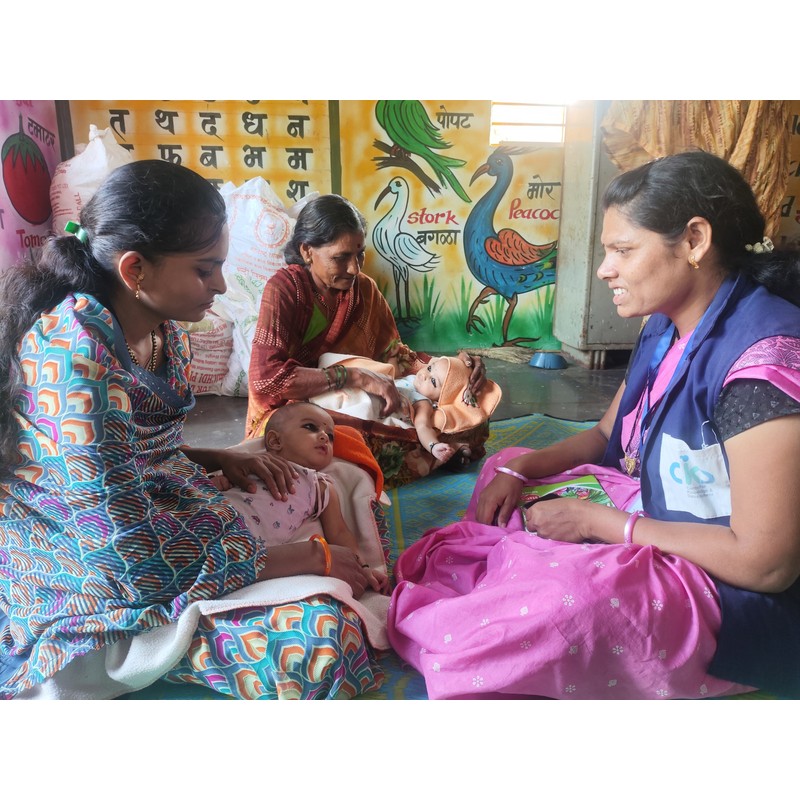
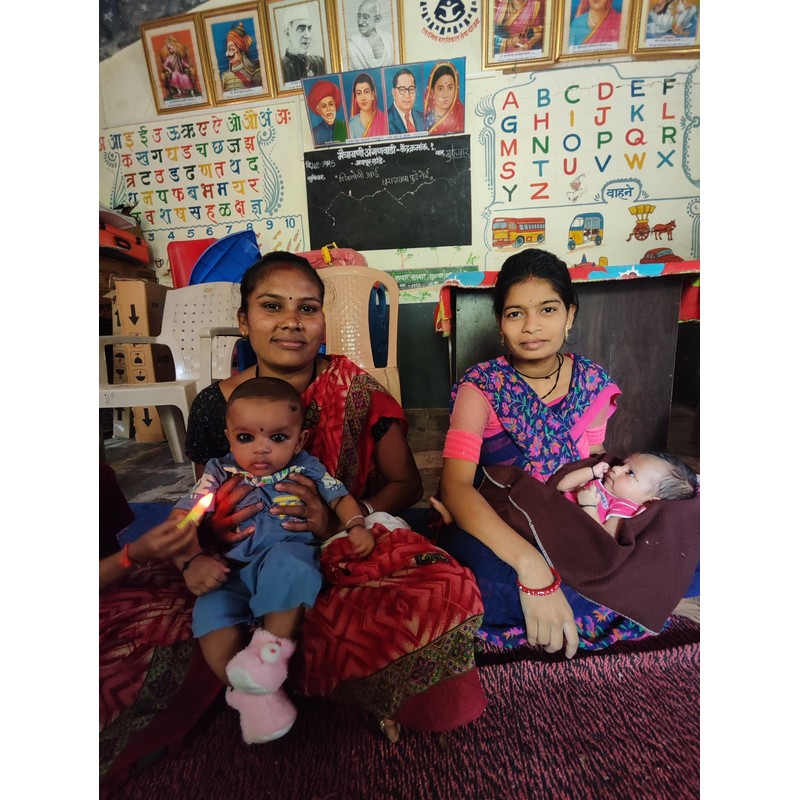
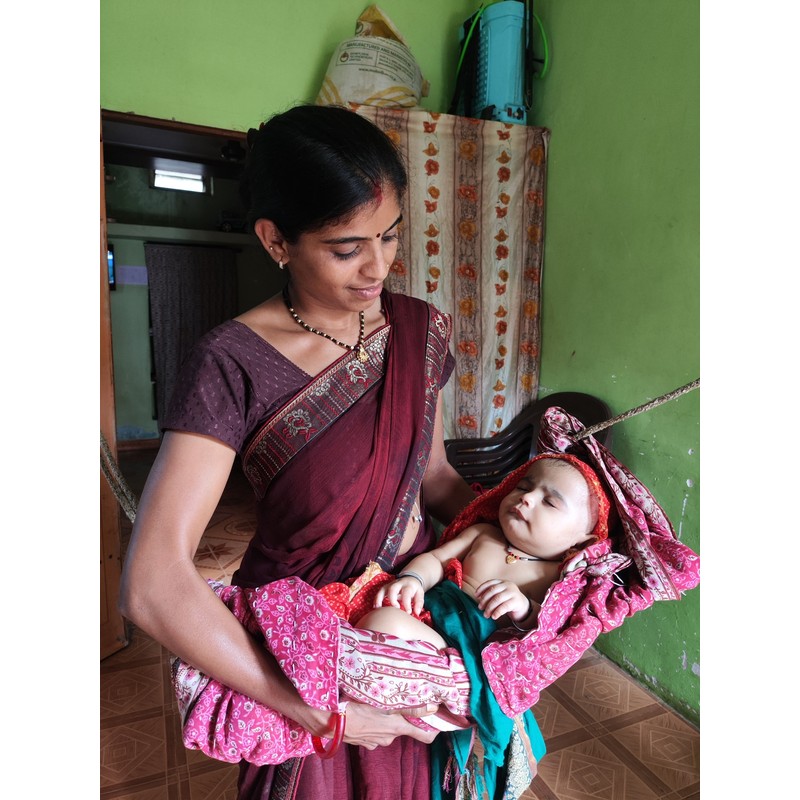
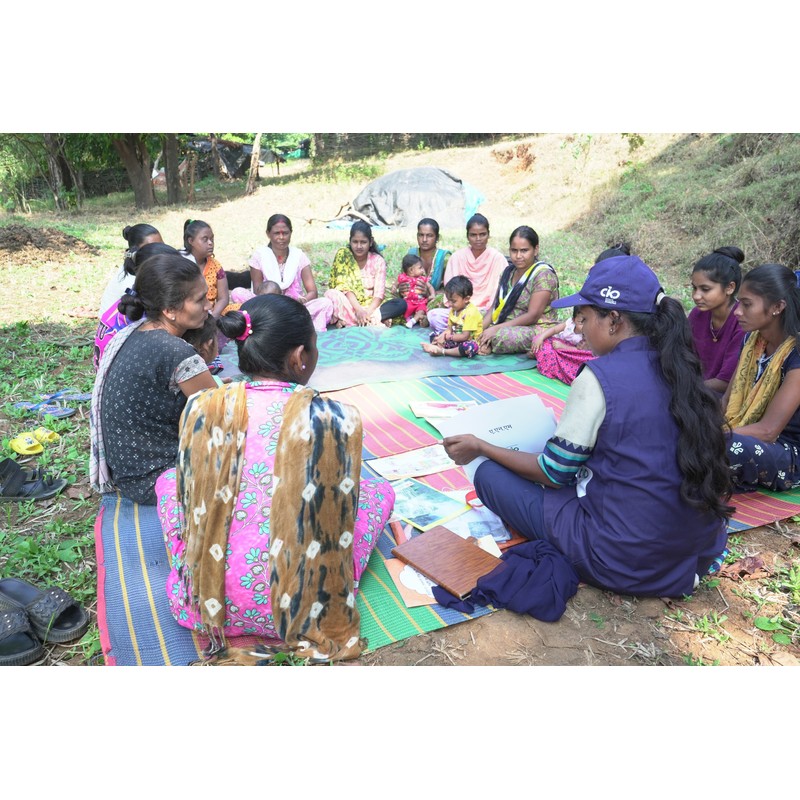
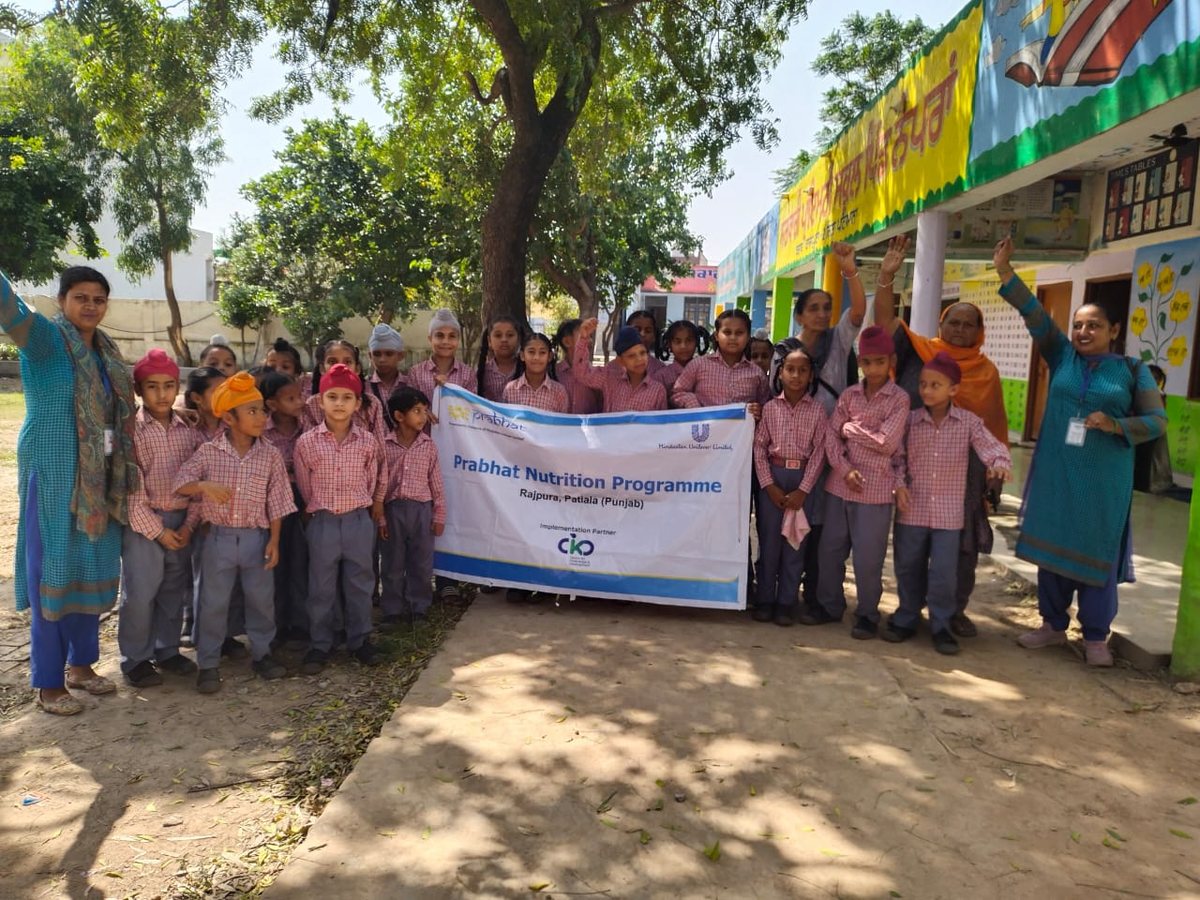
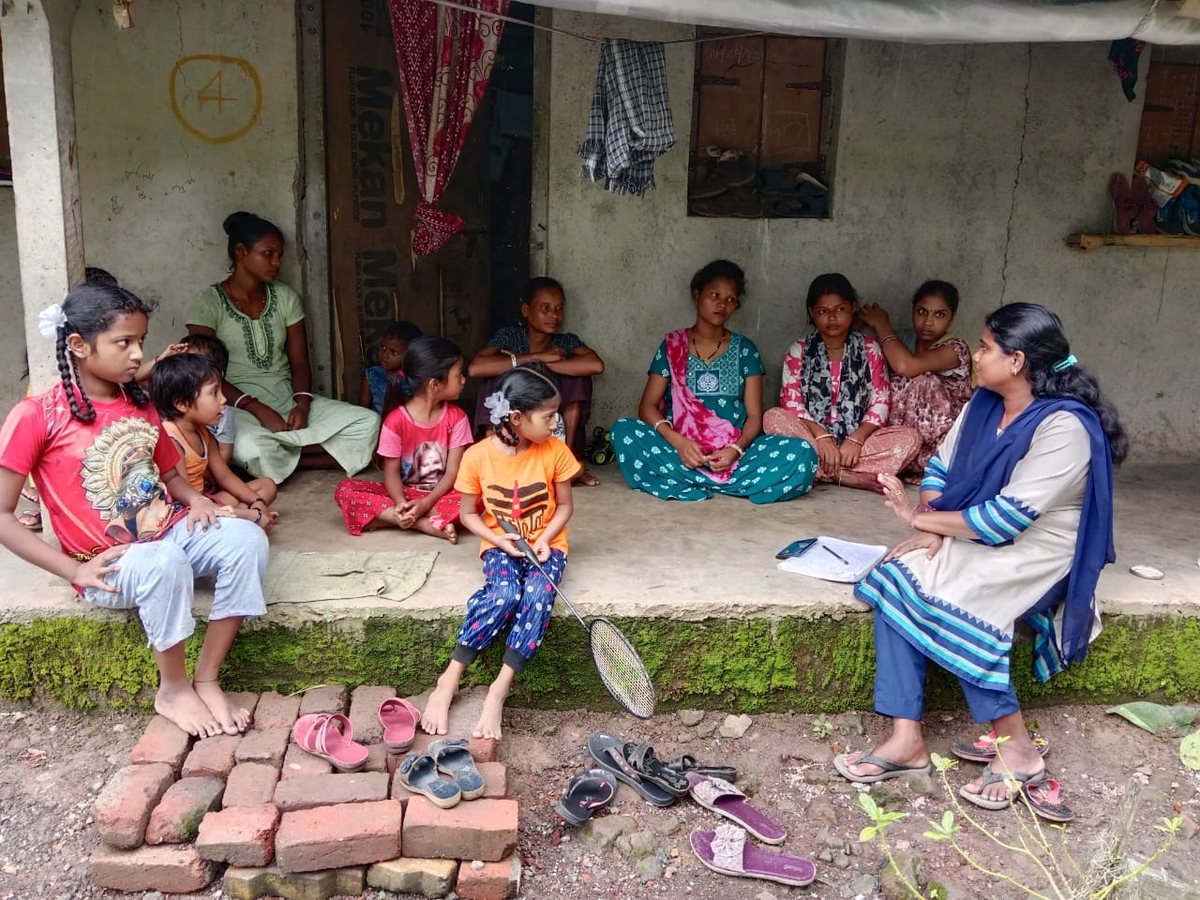
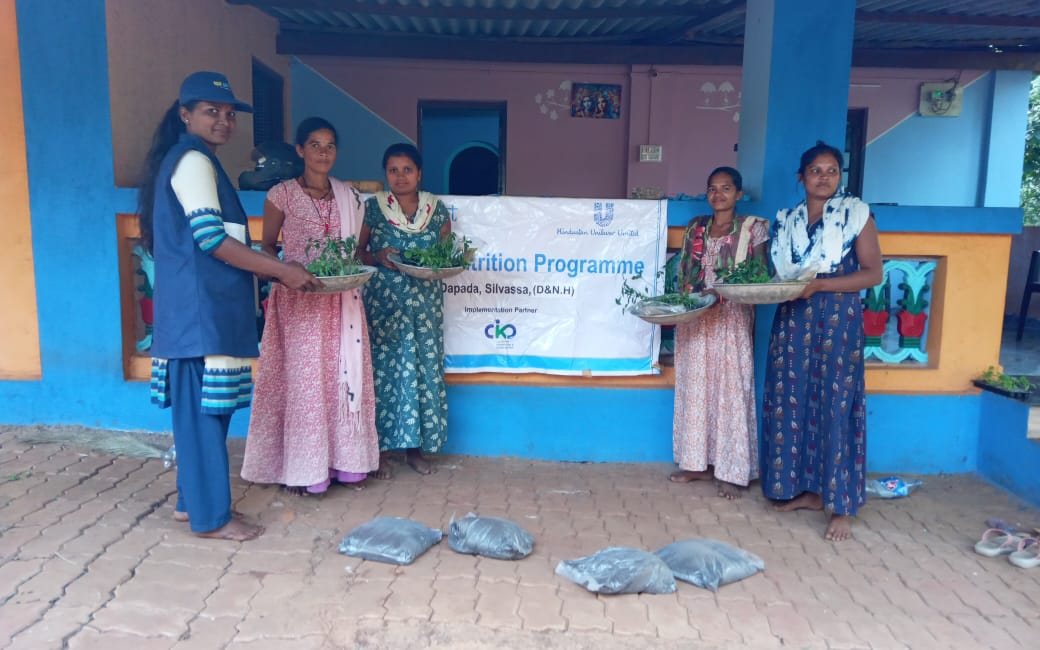
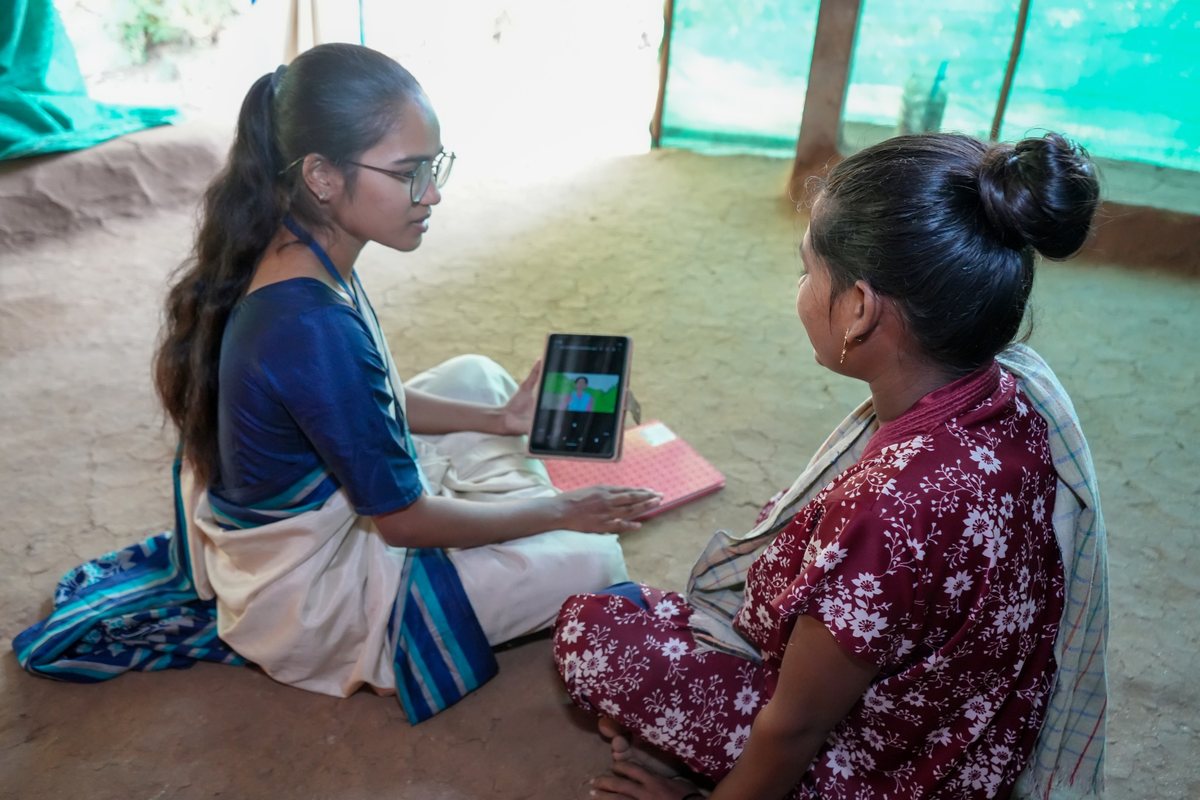
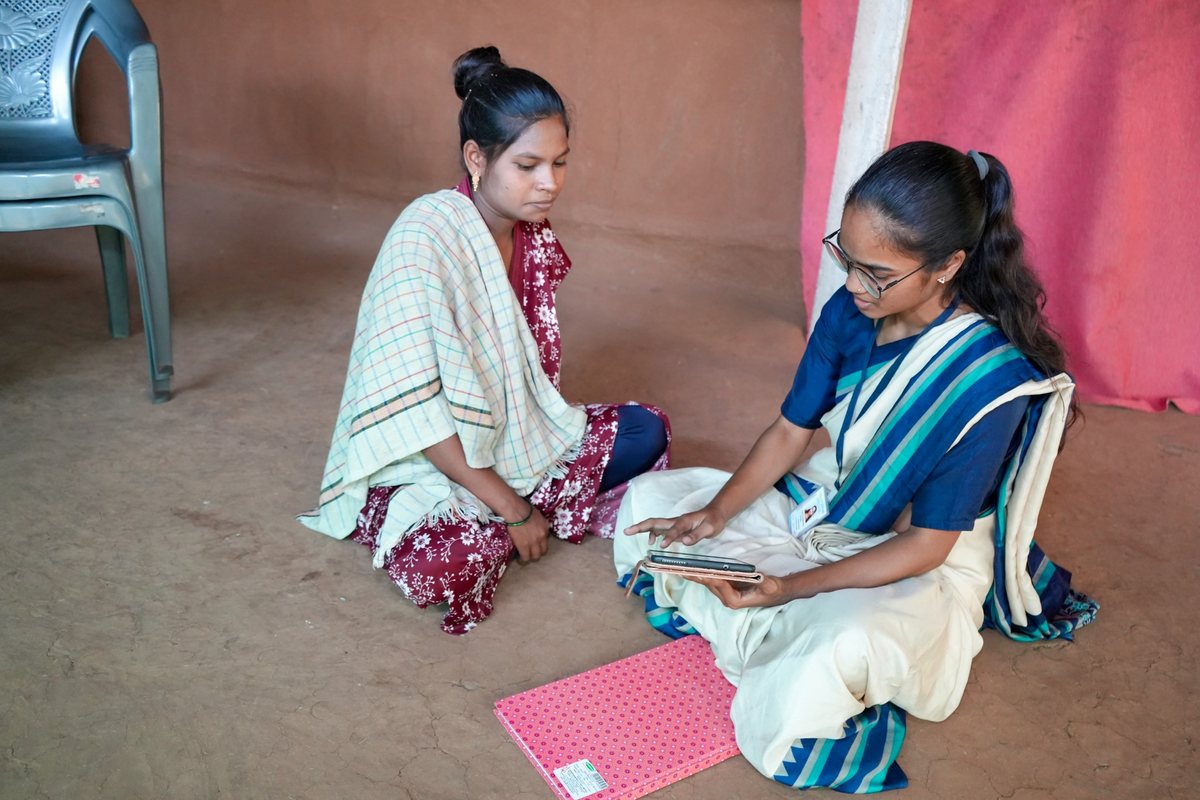
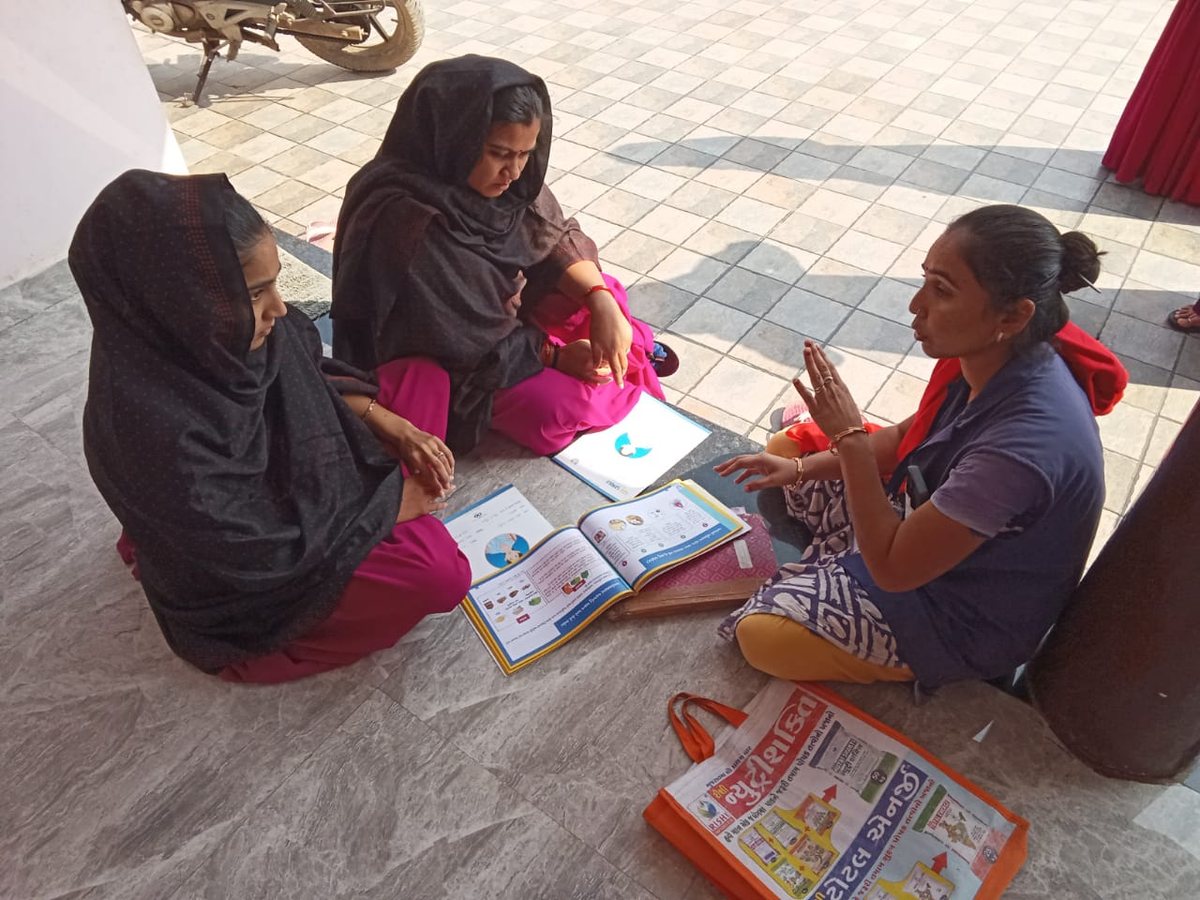
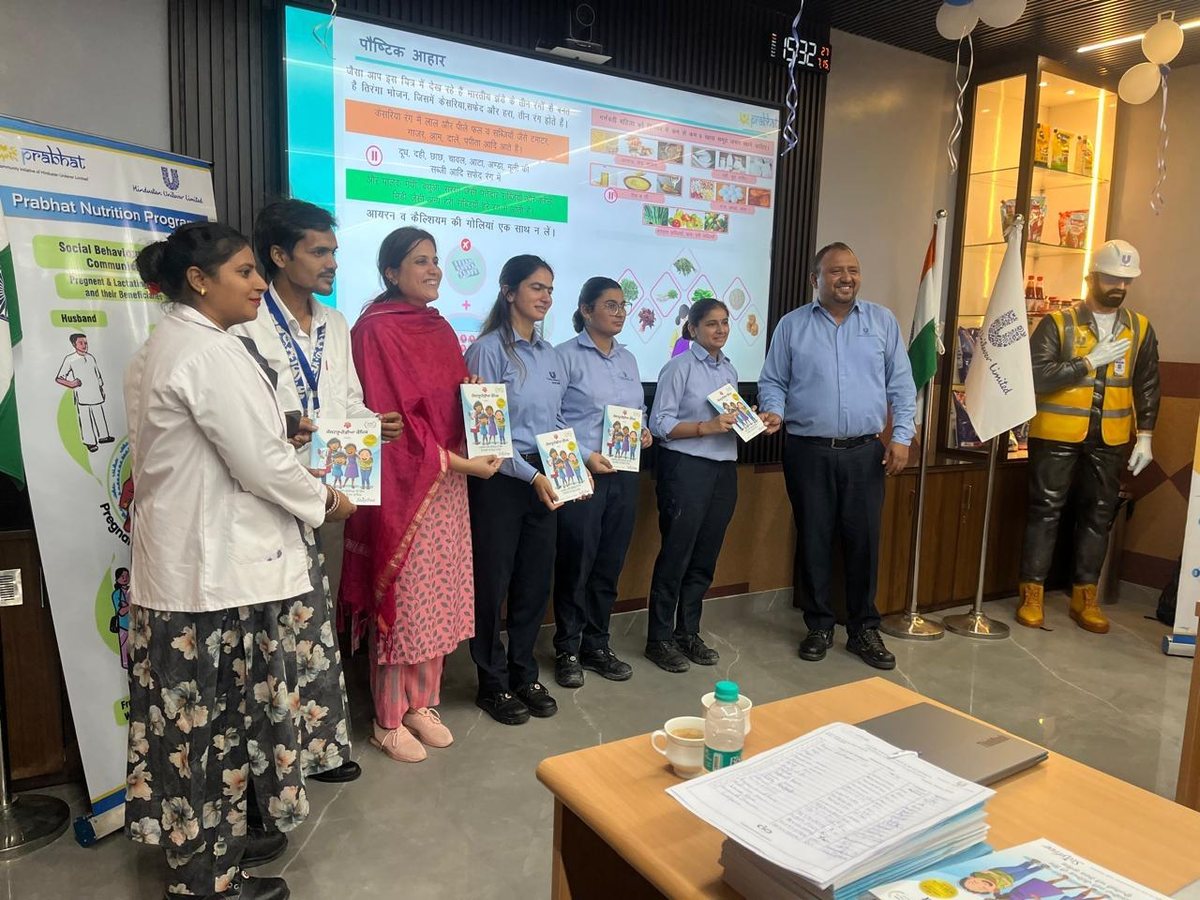
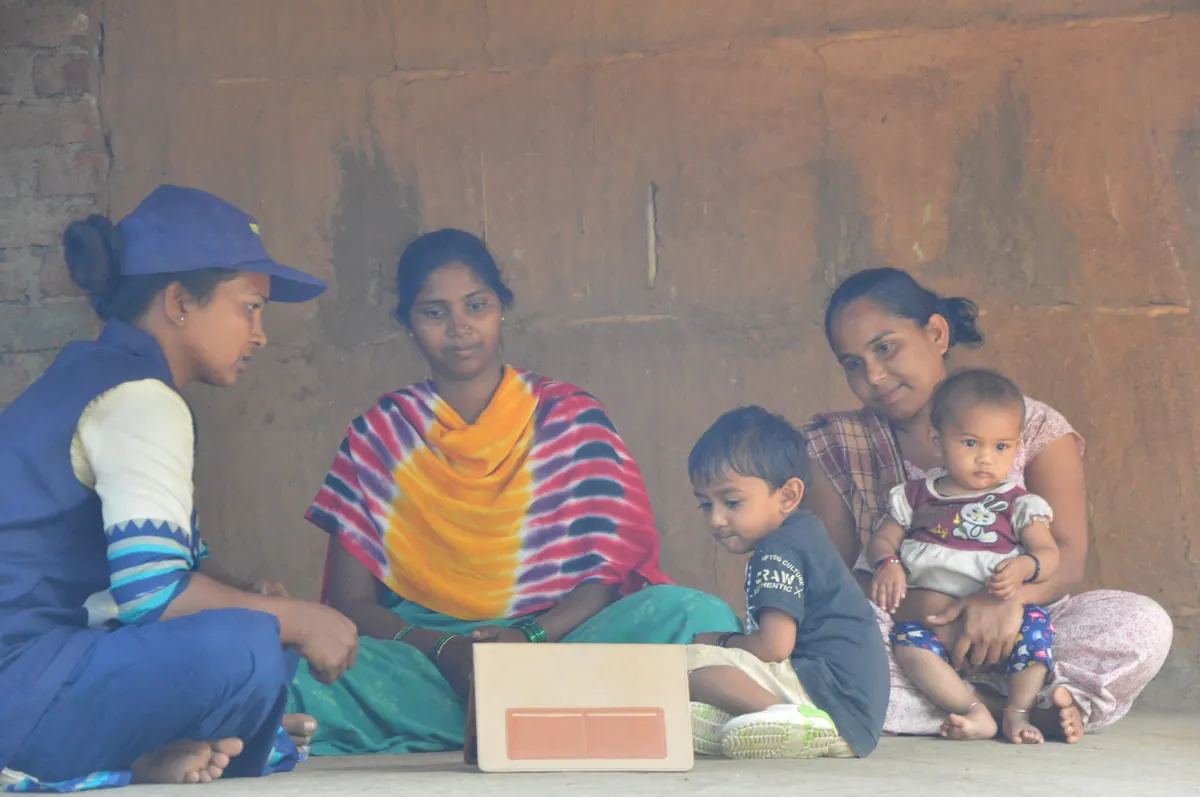
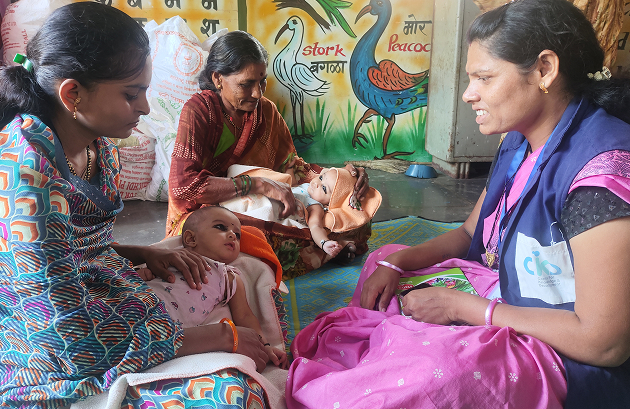
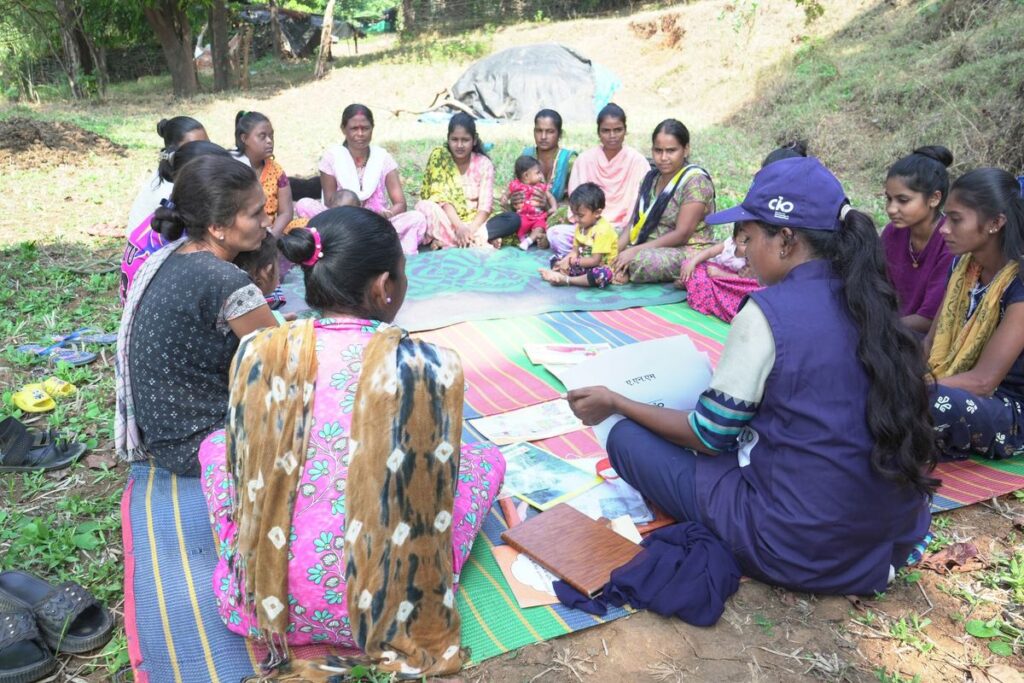
With support of Hindustan Unilever Limited (HUL), the Prabhat Nutrition Program is transforming lives across 350 villages in Punjab, Gujarat, Maharashtra, Dadra and Nagar Haveli to help improve health and nutritional status of adolescent girls, pregnant women, lactating mothers, mother of young children (children aged 7 months – 5 years) and their caregivers. The program brings together nutrition education, behaviour change communication, capacity building, community mobilisation to support families in making healthy choices.

Prabhat Nutrition Program 

community building

Building change from the community

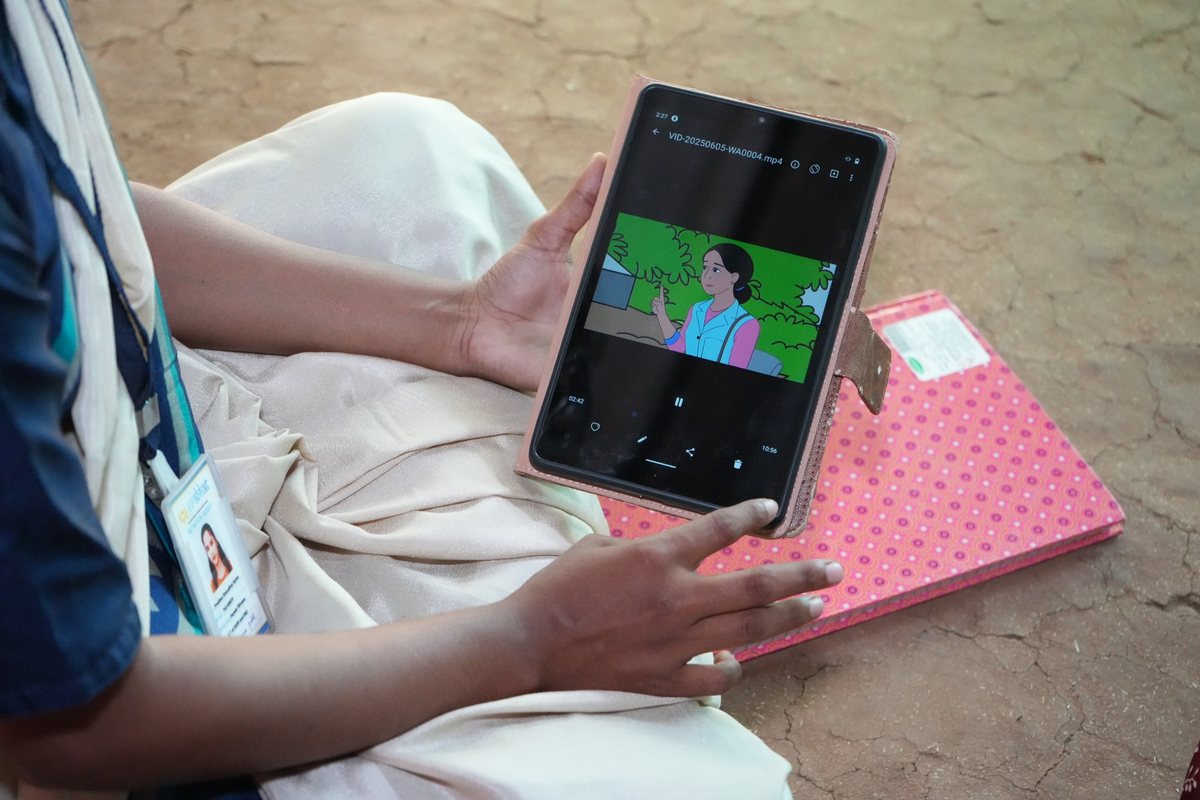
By strengthening the people who are closest to communities and equipping them with practical tools and knowledge, the programme seeks to create an enabling environment where healthier nutrition practices can become part of everyday life.

Through its integrated approach, Prabhat Nutrition Programme aims to contribute to healthier mothers, well-nourished children, informed adolescents and empowered communities—building a stronger foundation for nutrition and well-being. 

Empowering people, Enabling Change

We focus on: 

Promoting healthy

Promoting healthy behaviours

through counselling, communication and community-based activities.
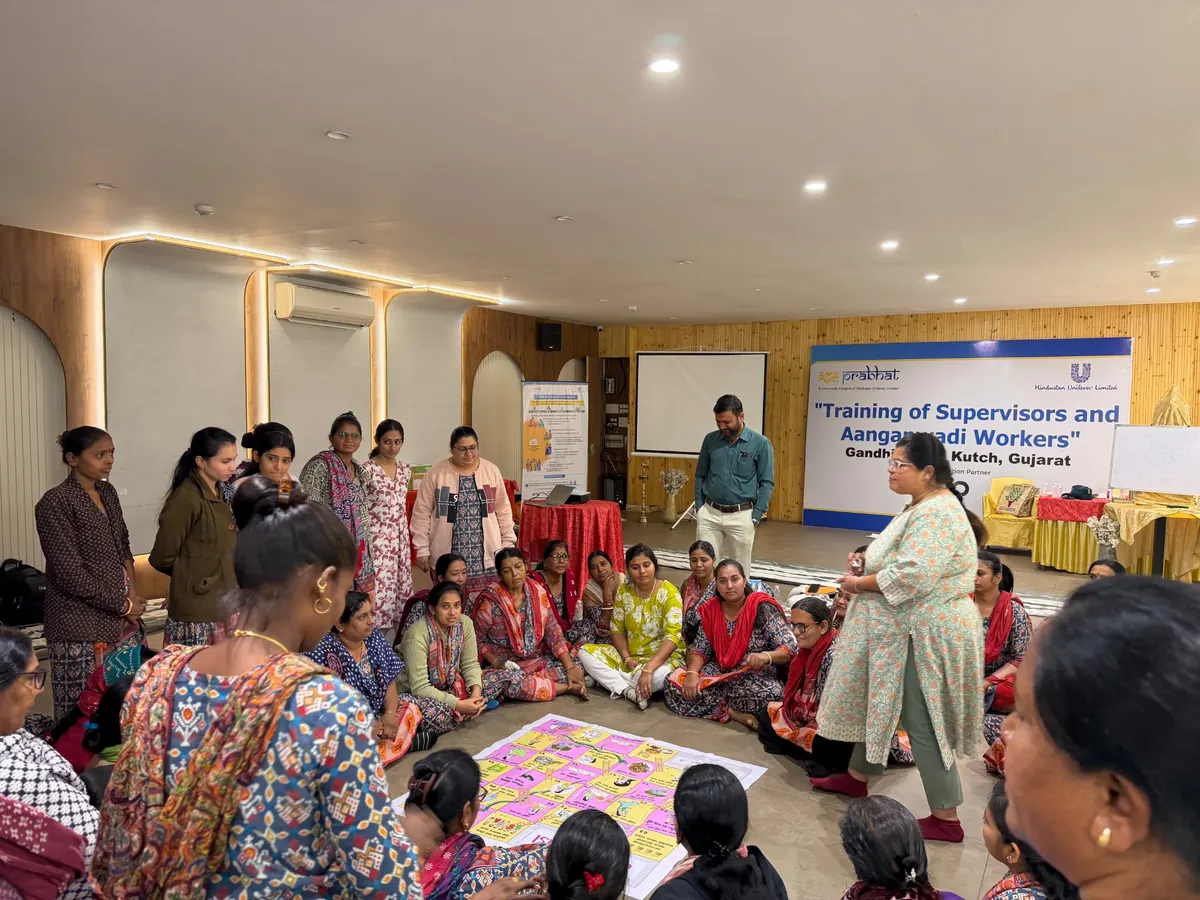
Mobilising communities

Mobilising communities

to improve access to and uptake of essential nutrition and health services.
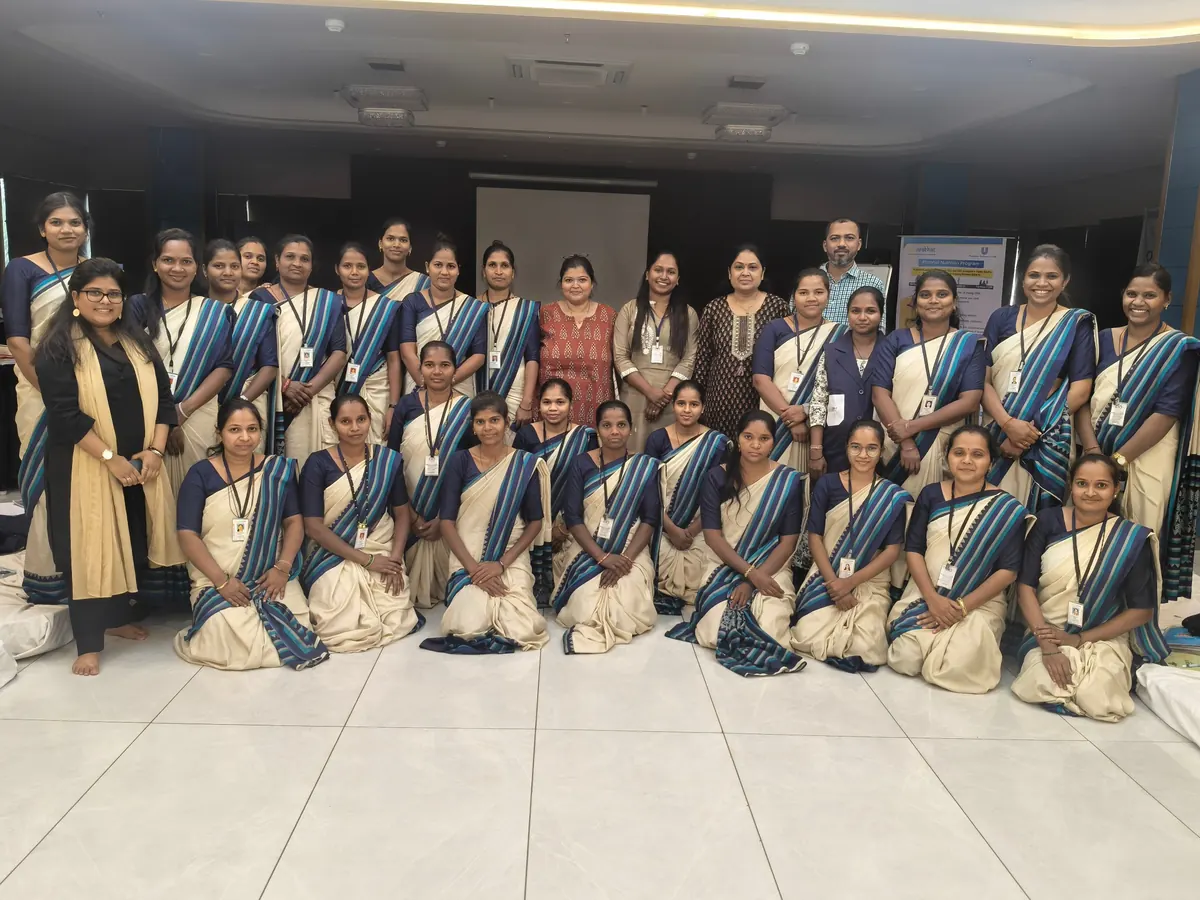
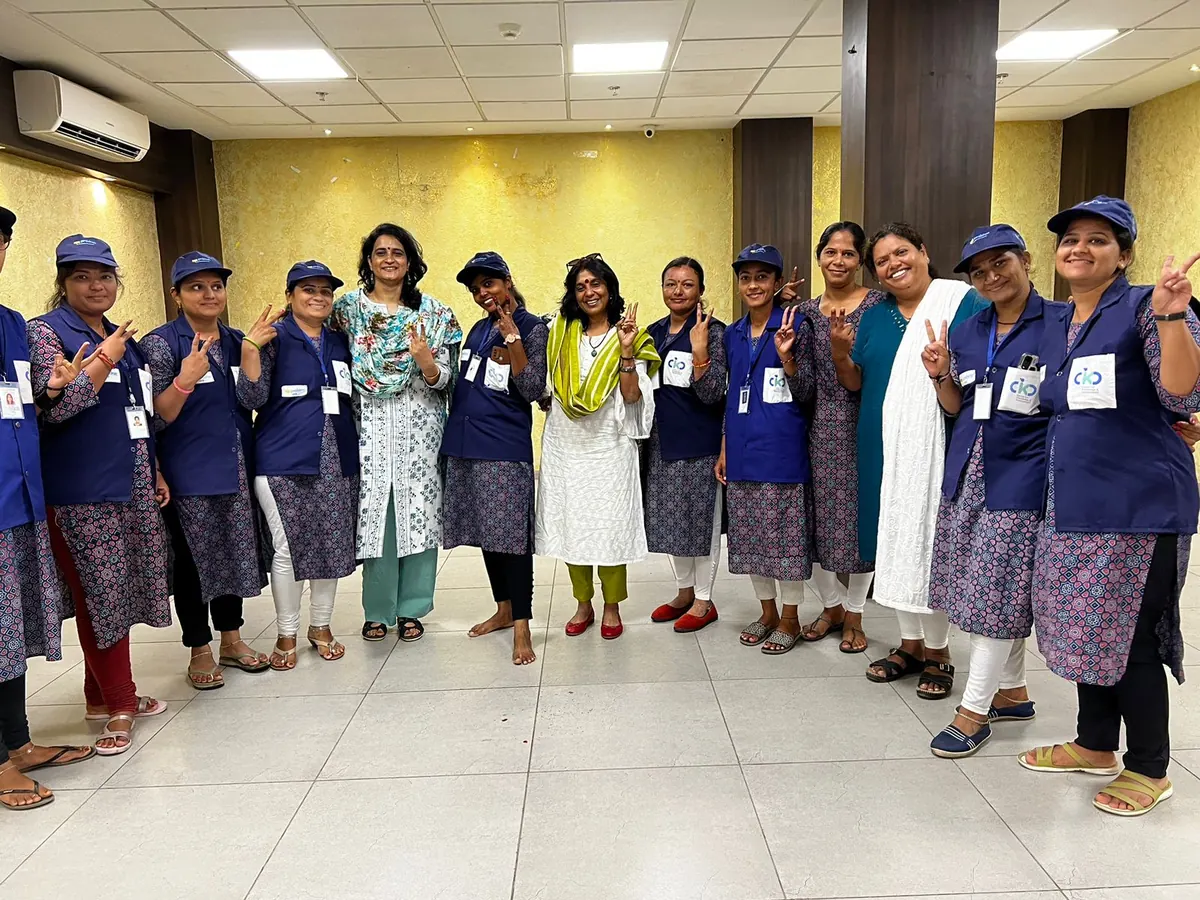
Empowering frontline worker

Empowering frontline workers

with knowledge, skills and practical tools.
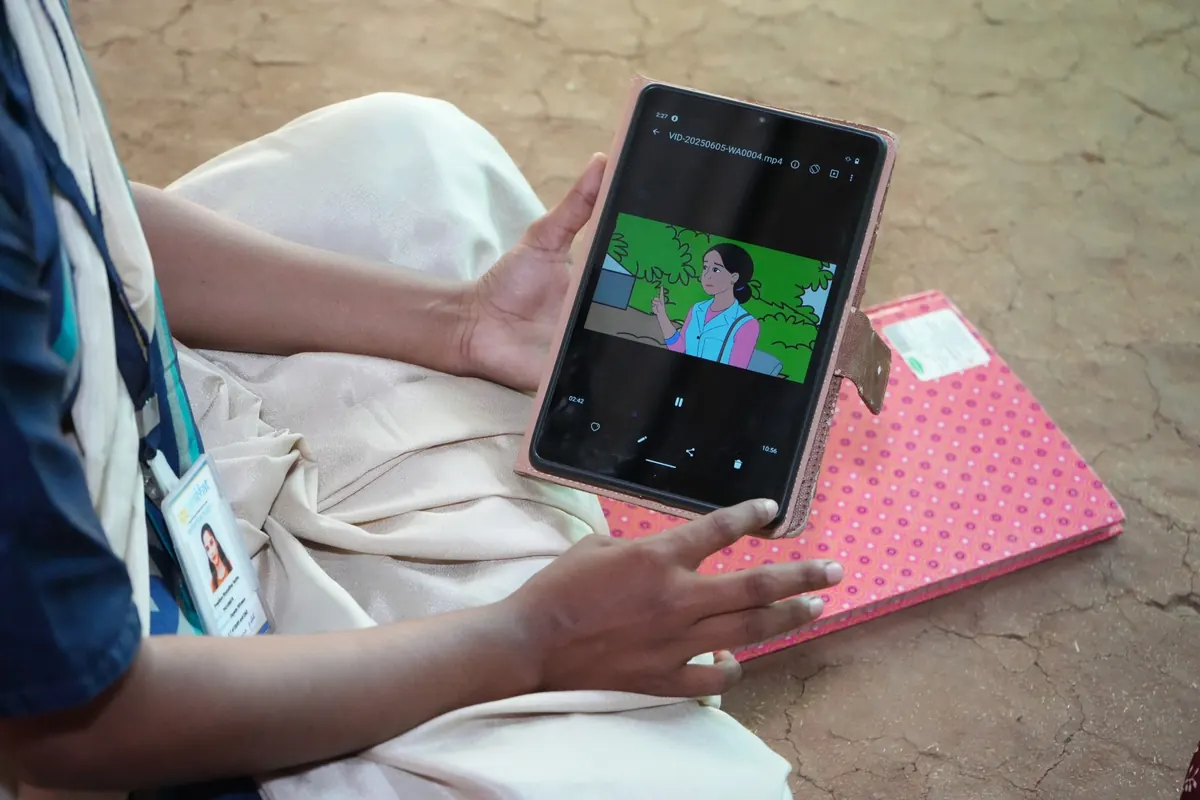
Using data and field insights

Using data and field insights

to identify gaps, track progress and continuously strengthen the programme.
Programme Reach until March 2026

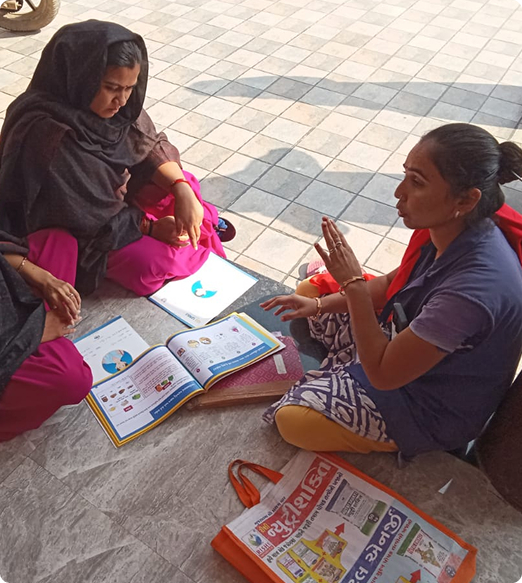
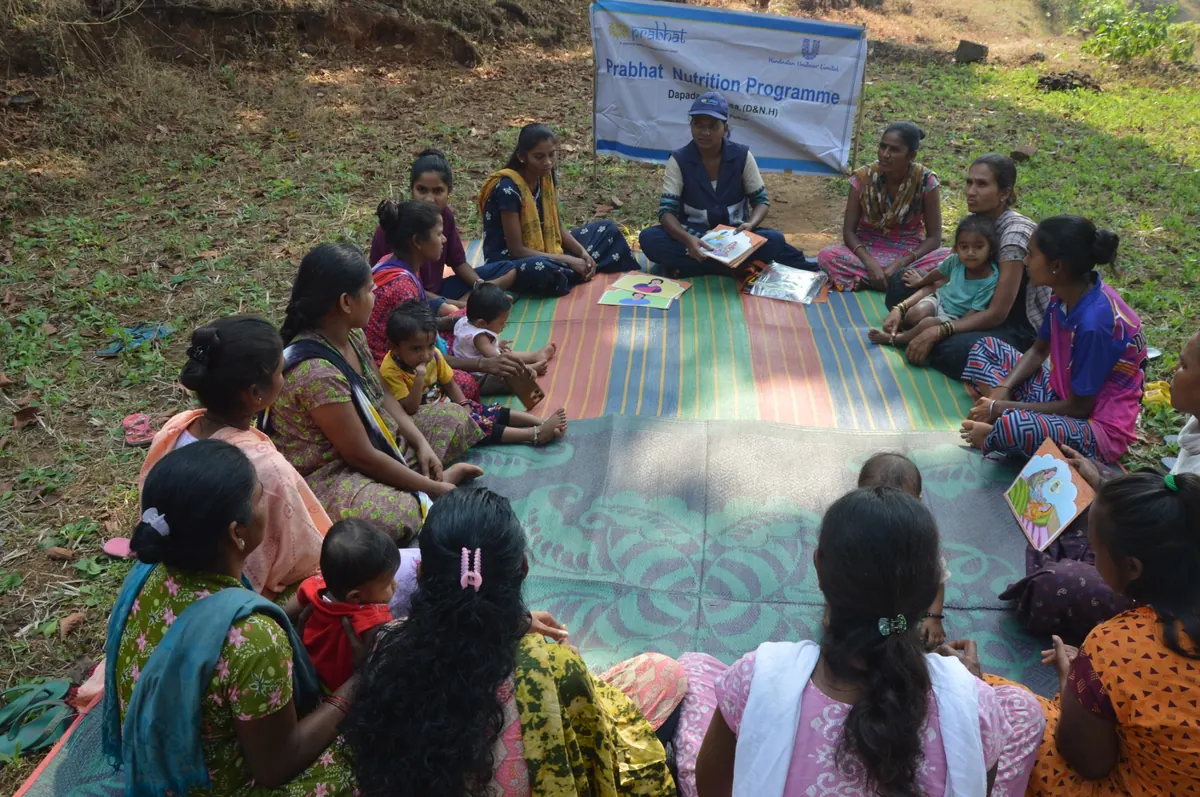
11,00,000+ counselling sessions

delivered to beneficiaries, supporting healthier and more informed choices.

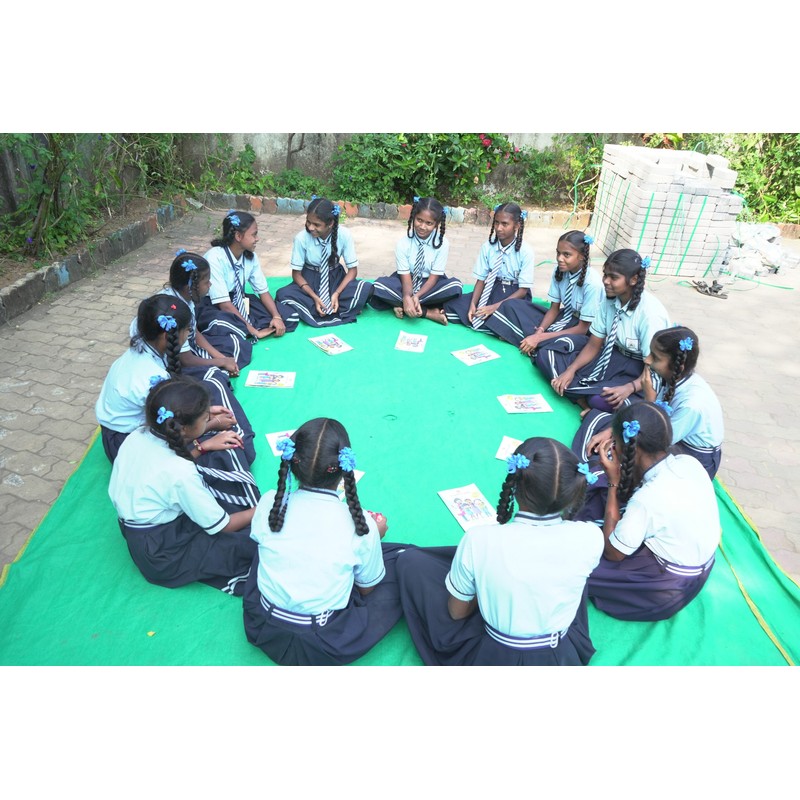
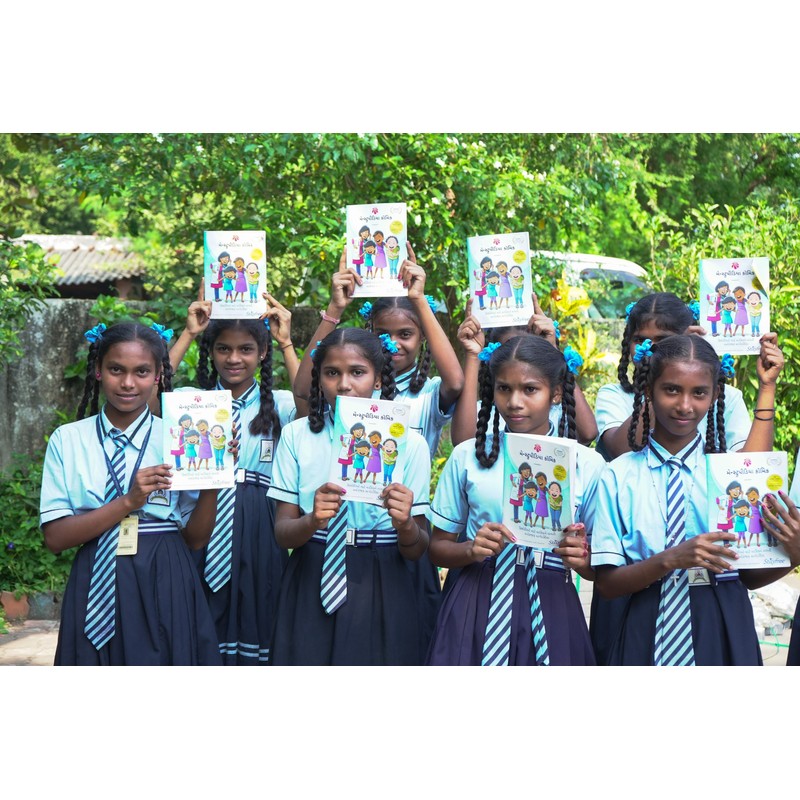
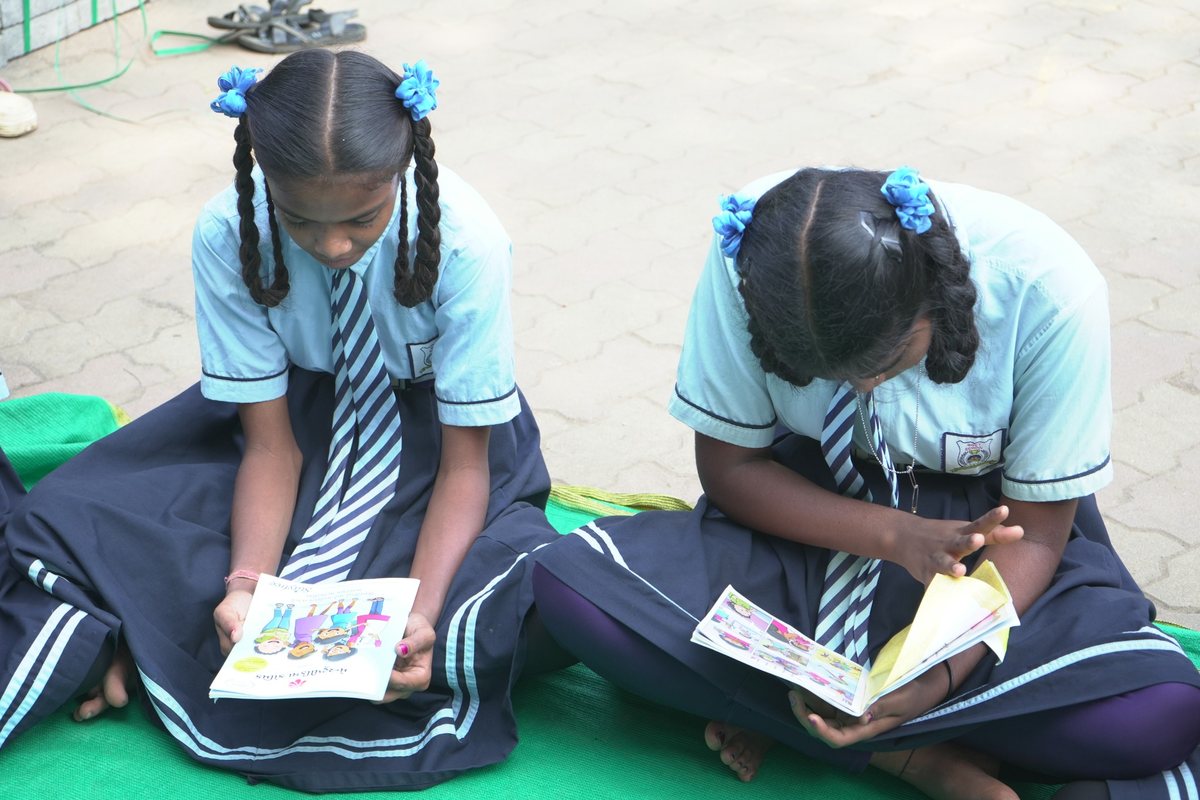
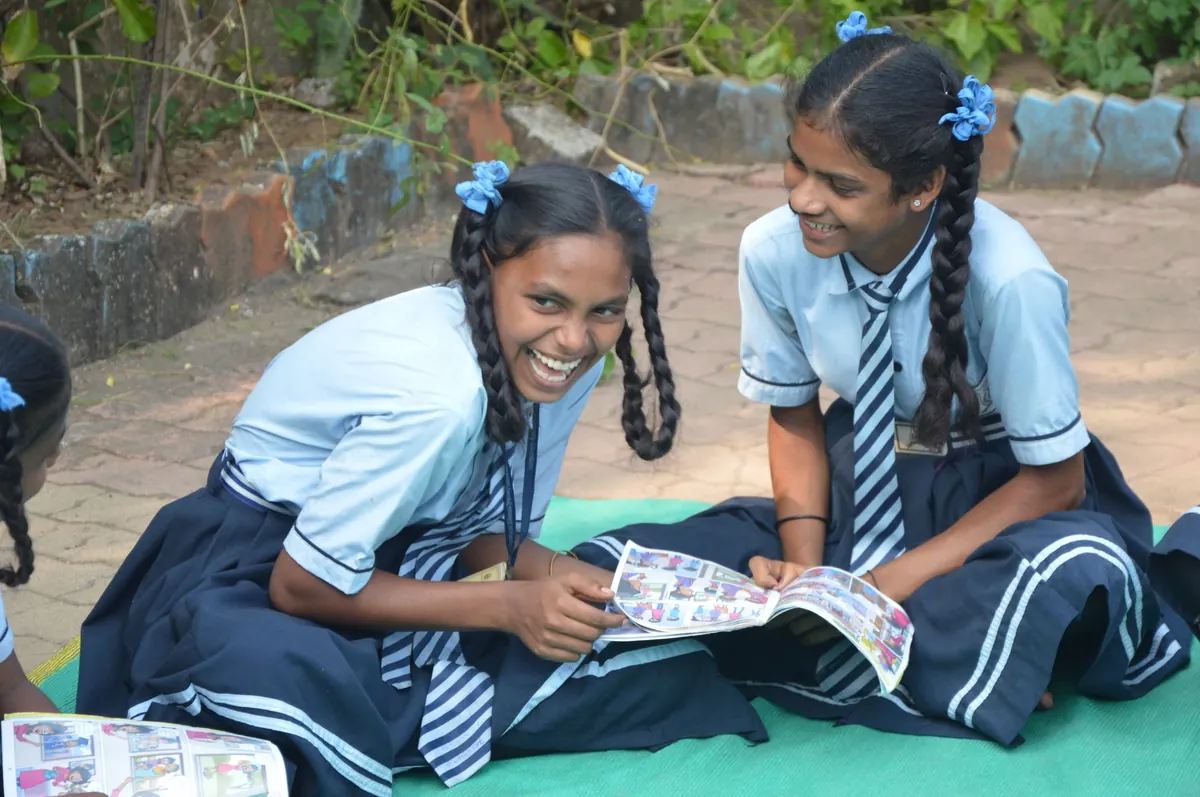
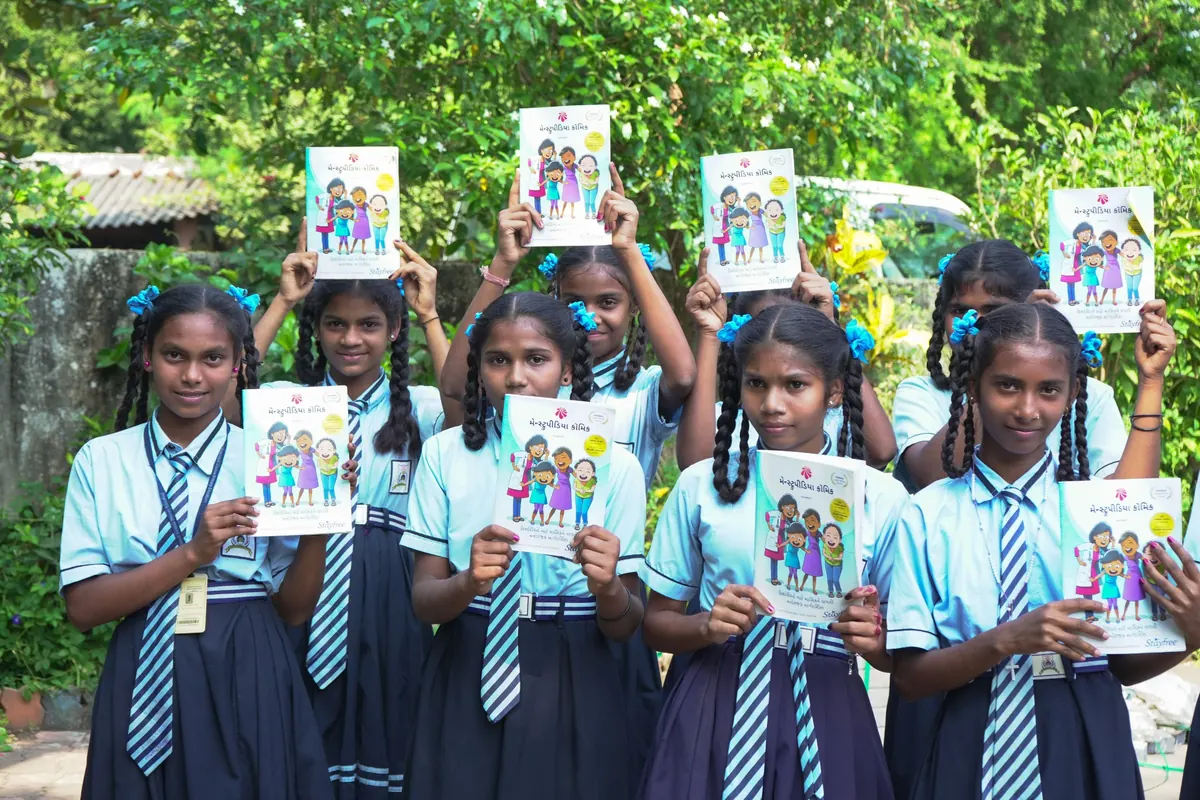
2,00,000+ adolescent girls

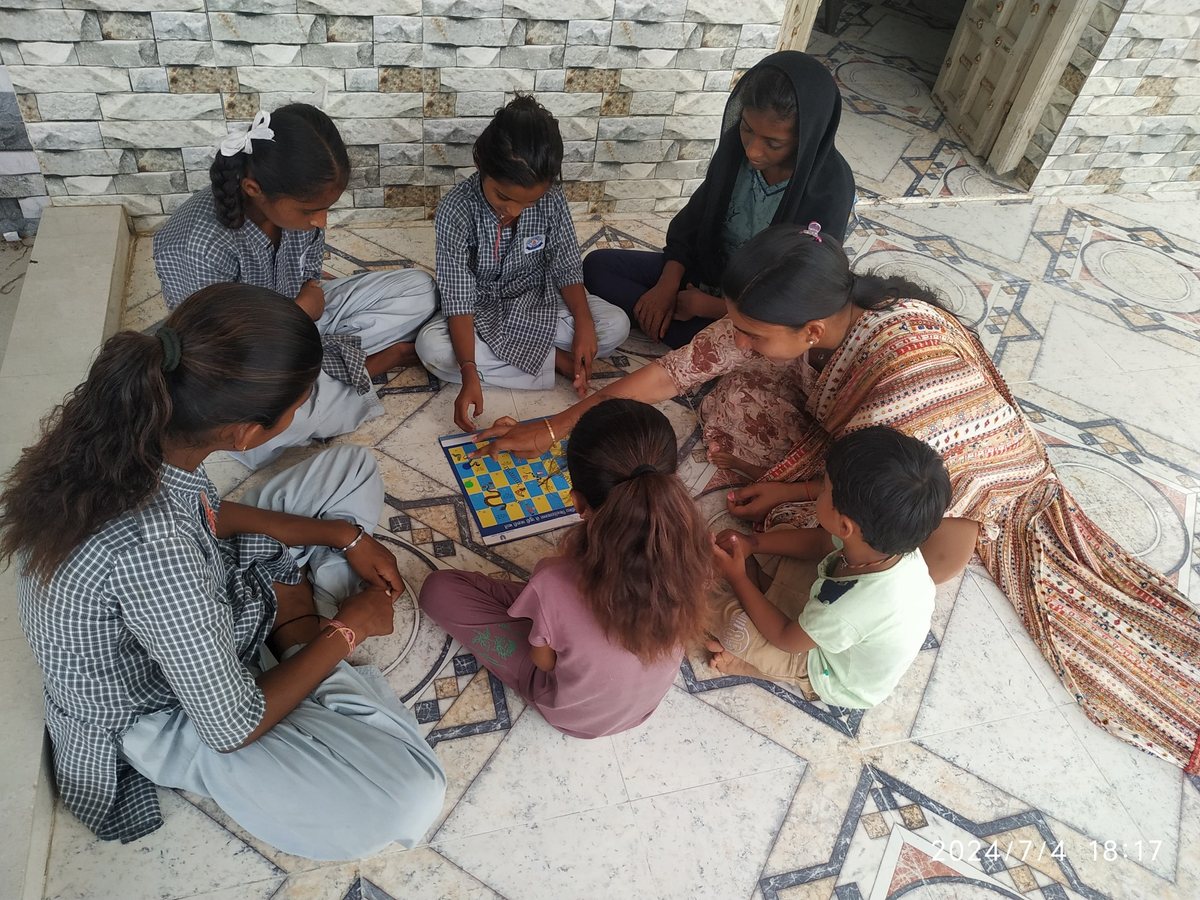
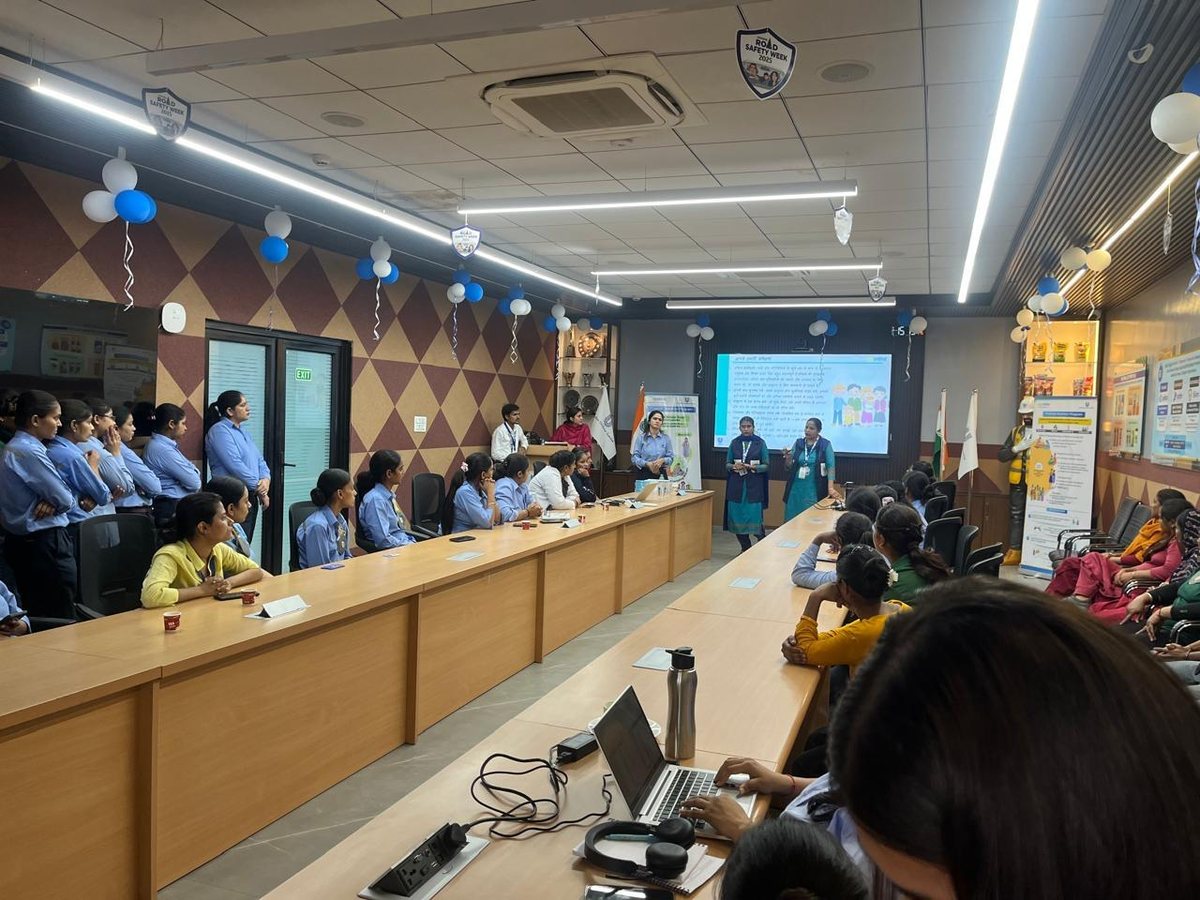
reached through school-based nutrition and health sessions.

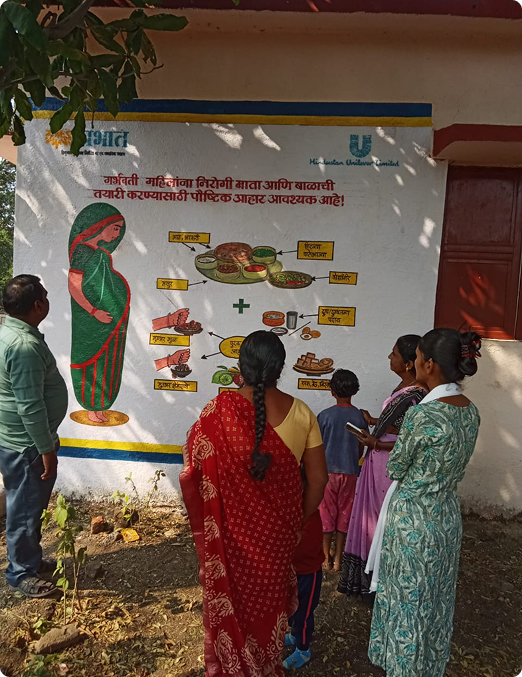
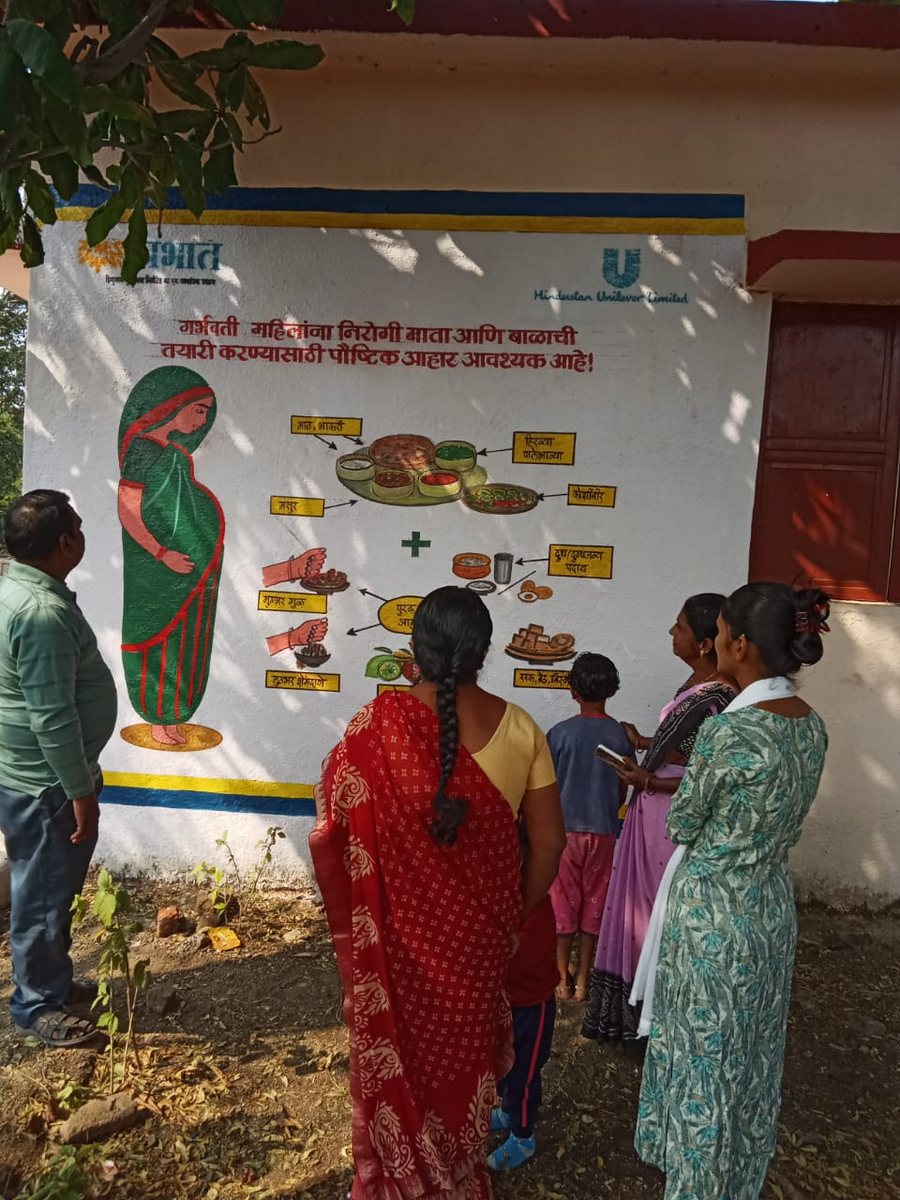
240+ wall paintings

created to promote nutrition awareness and reinforce key health messages within communities.

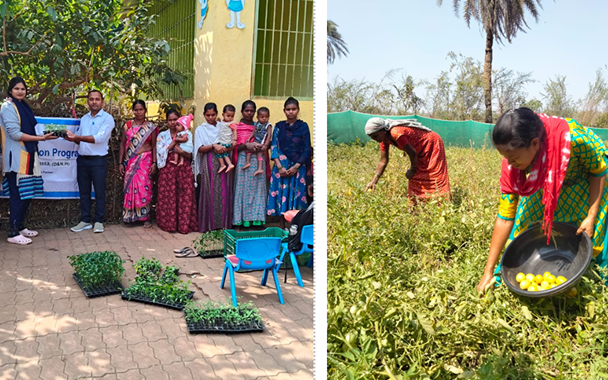
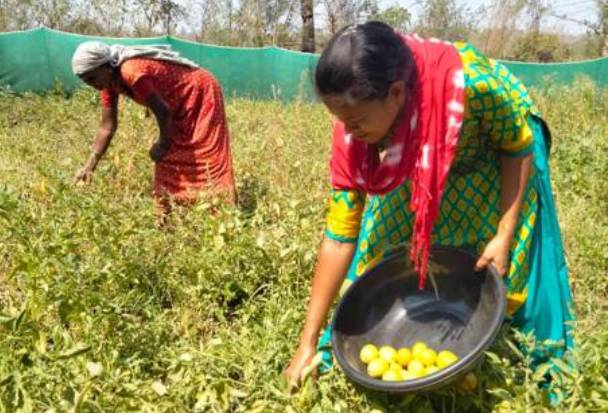
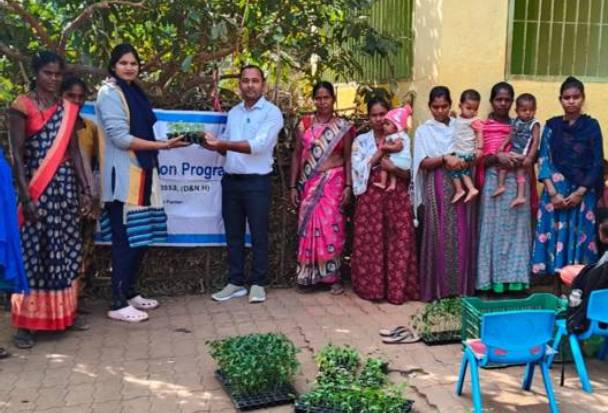
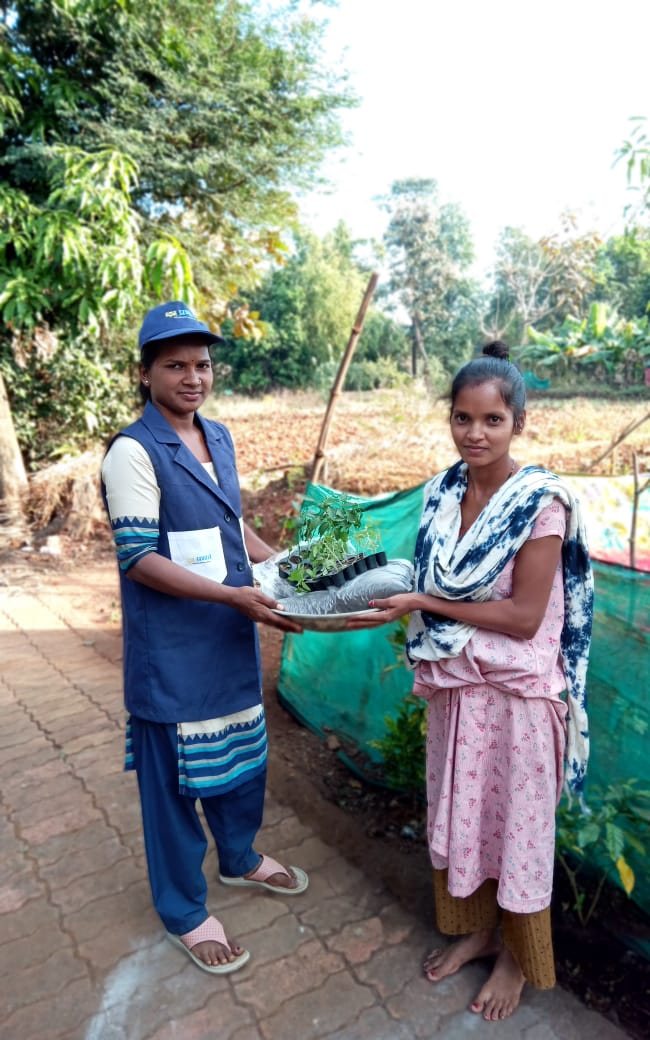
13,200+ Nutri Gardens

established, promoting access to diverse, locally grown and nutritious foods.

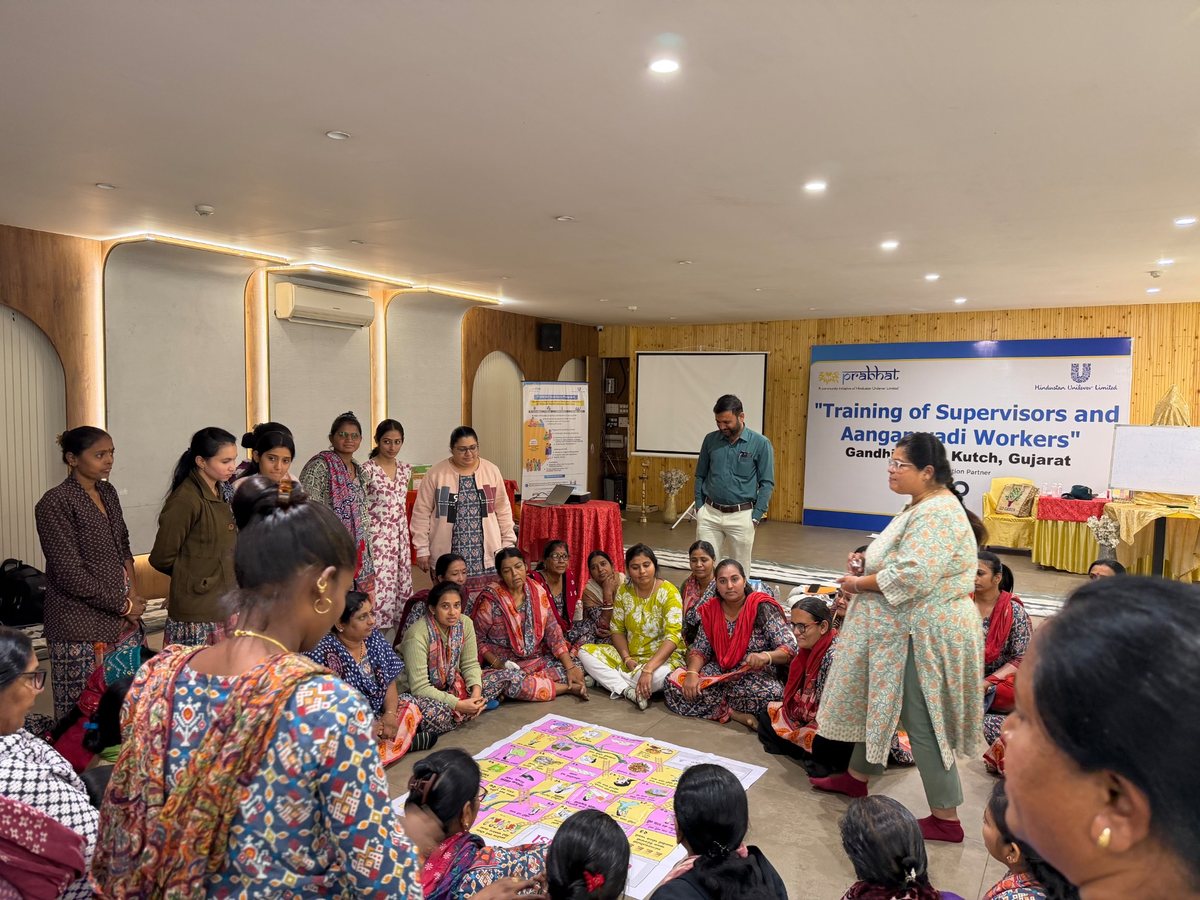
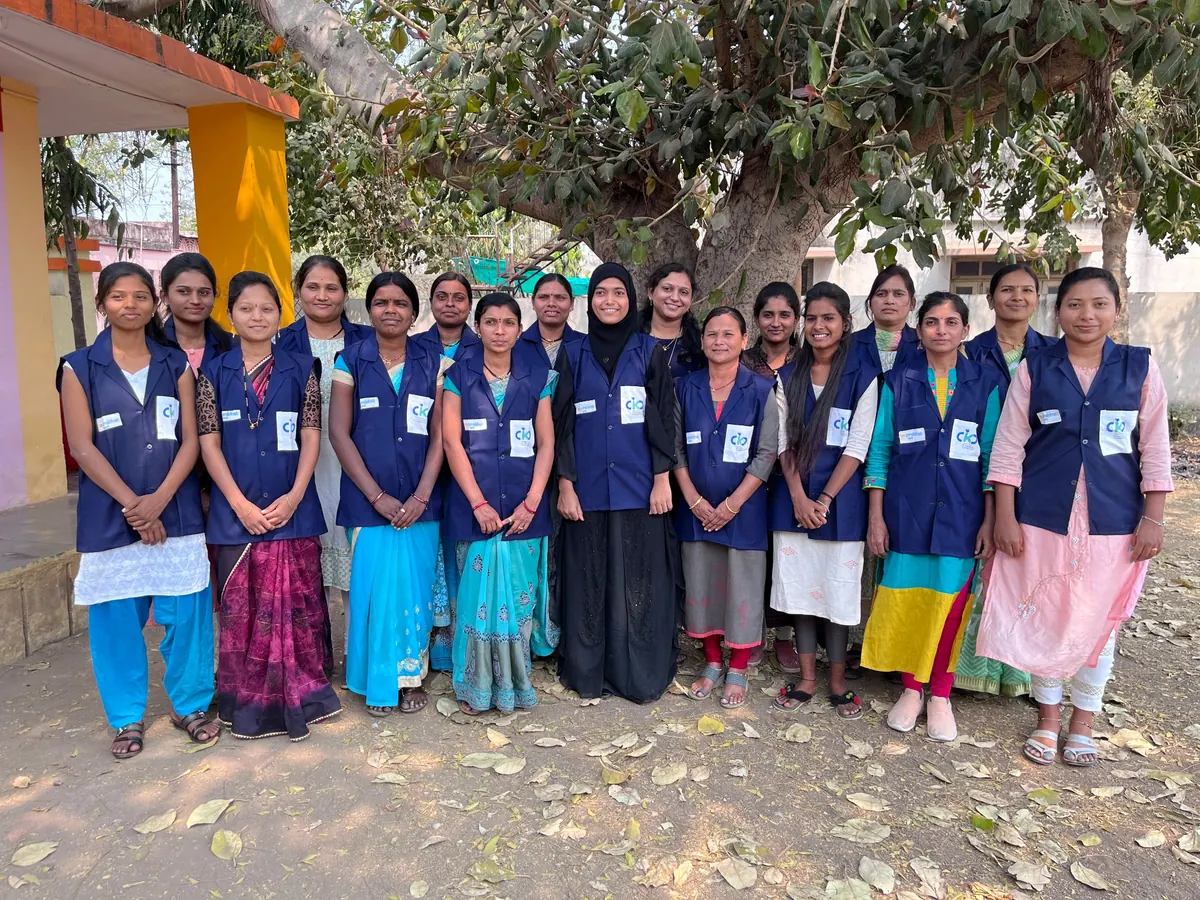
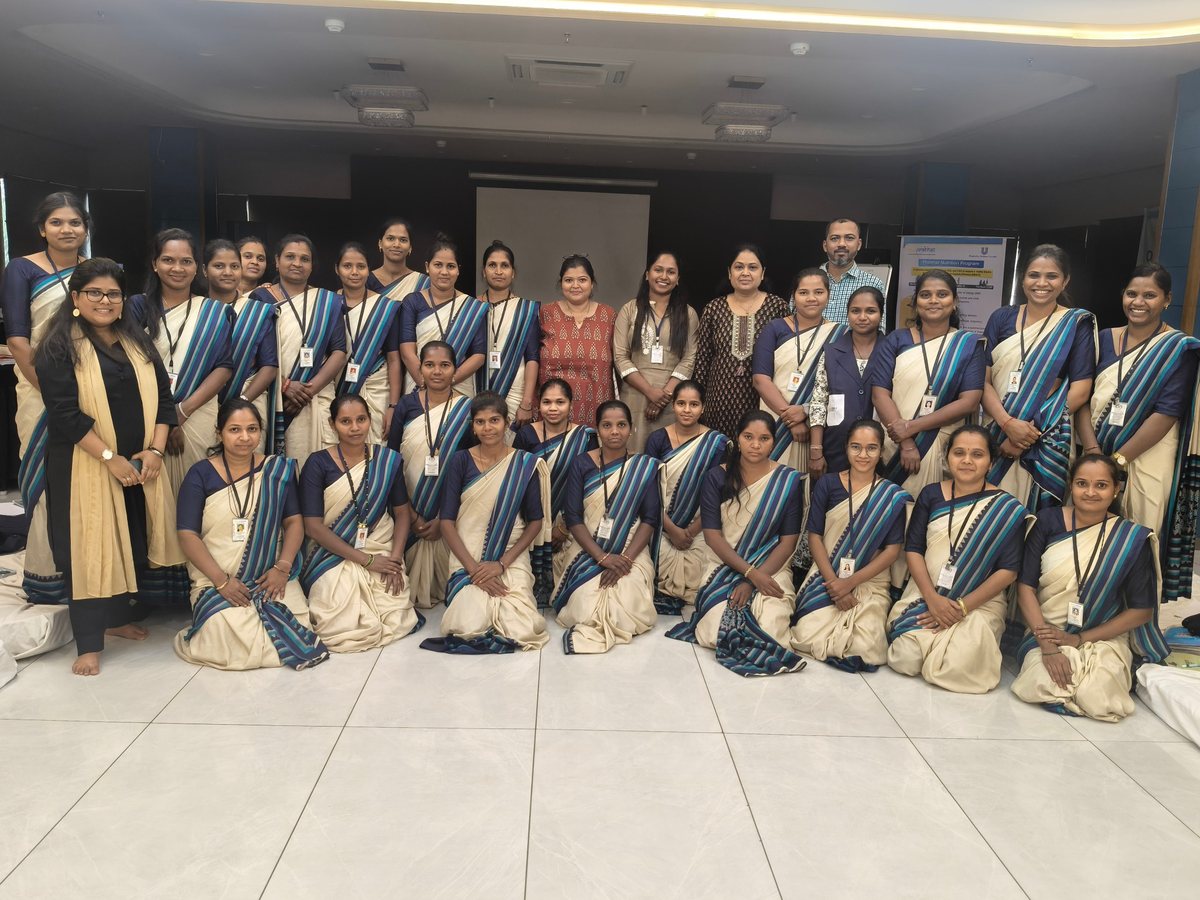
200+ supervisors and AWWs trained,

strengthening frontline capacity to deliver effective nutrition counselling and community support.

6119 Community 
based events

reaching ~110,000 
participants

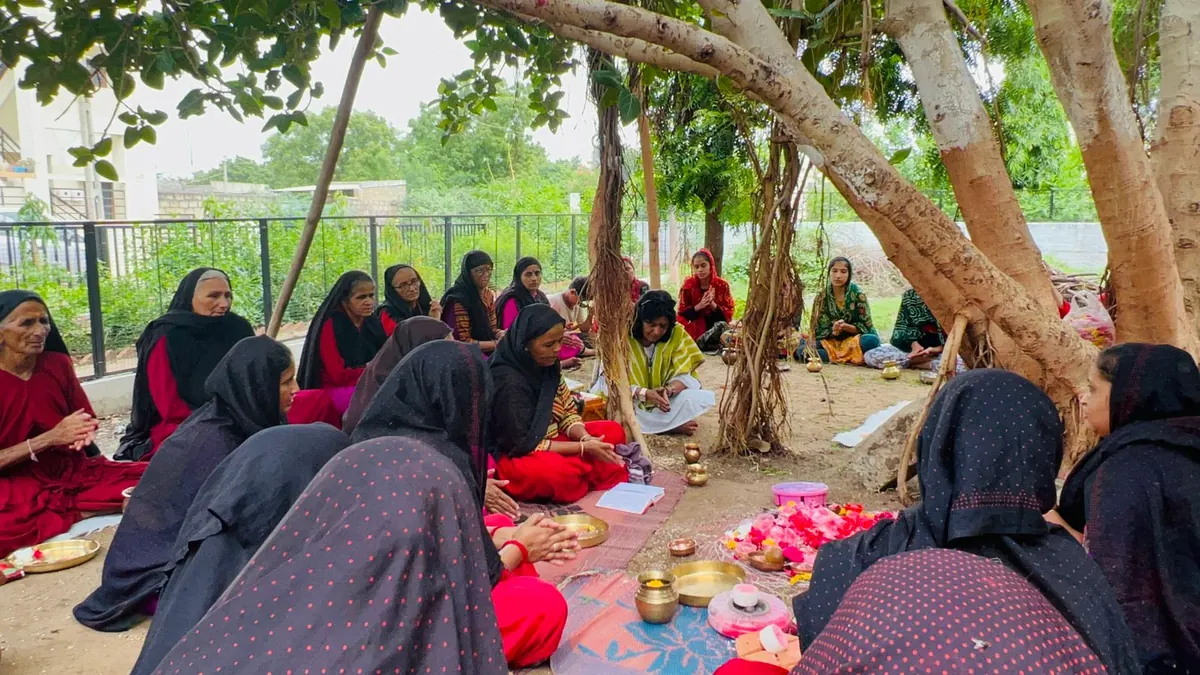
Celebration of Poshan Maah, Poshan Pakhwada,

Breast feeding Week for programme reach and visibility.

Community Ownership through 
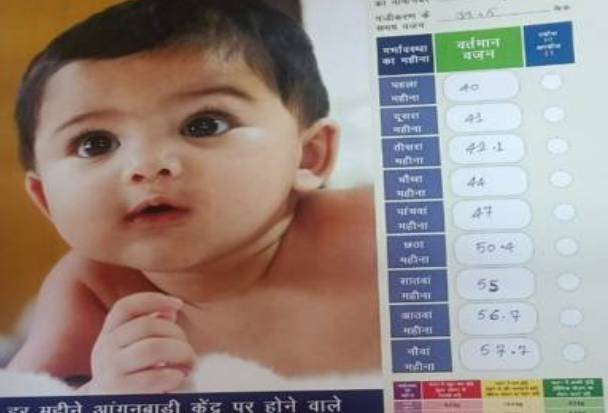
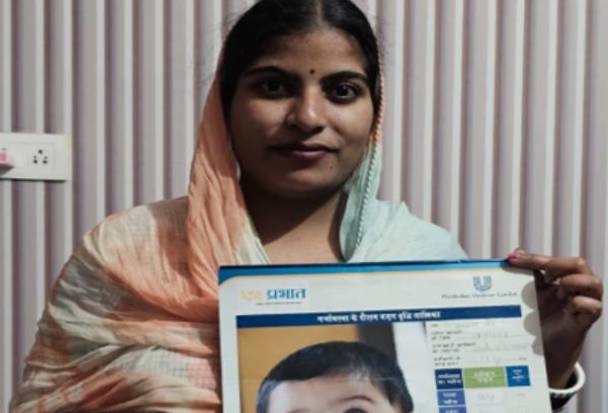
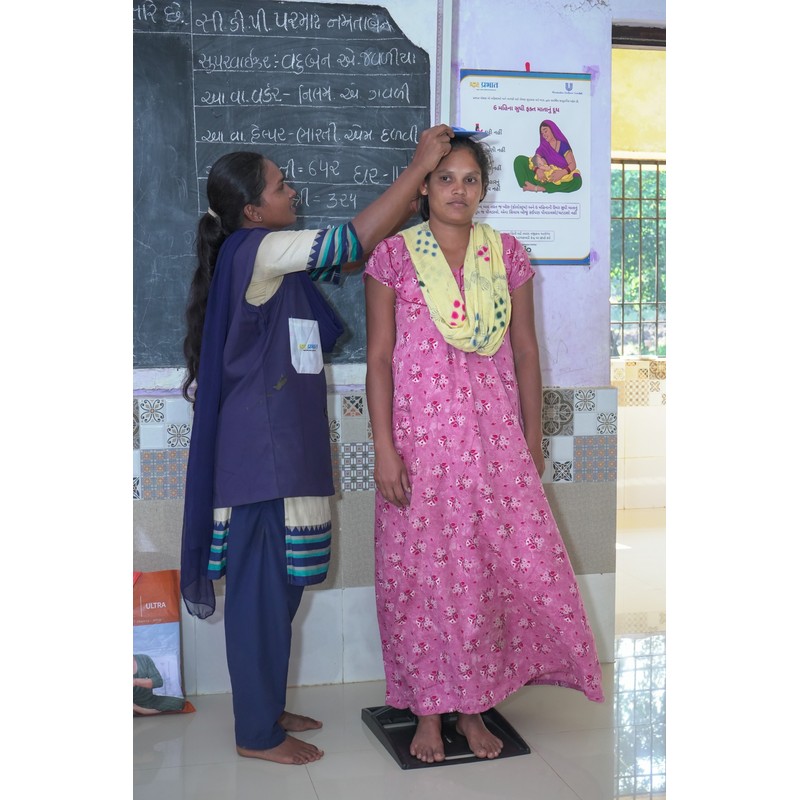
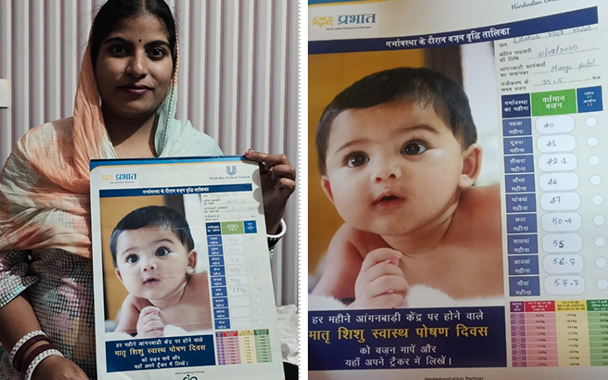
pregnancy weight tracker

Community Ownership through 

pregnancy weight tracker

Nutri- Gardens for shared 

Nutrition Security

Nutri- Gardens for shared 

Nutrition Security

Knowledge Sharing through practice

based research  

know sharing

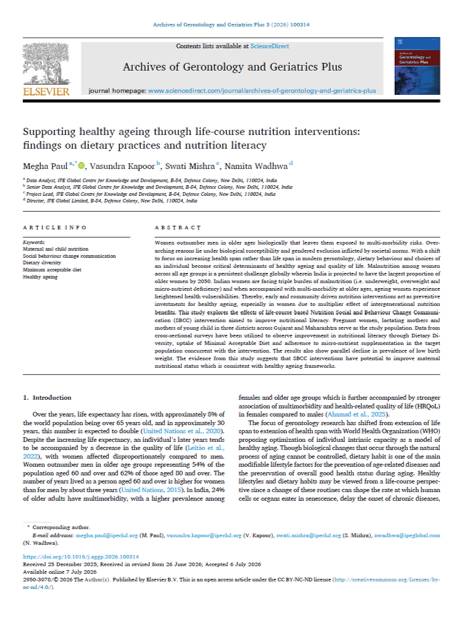
Supporting Healthy Ageing through Life-course Nutrition Interventions: findings on dietary practices and nutritional literacy, 2026

Published in Archives of Gerontology and Geriatric Plus; Presented as oral presentation at 2nd International Conference on Aging, Longevity and Quality of Life; DOI: 10.1016/j.aggp.2026.100314
Knowledge Sharing

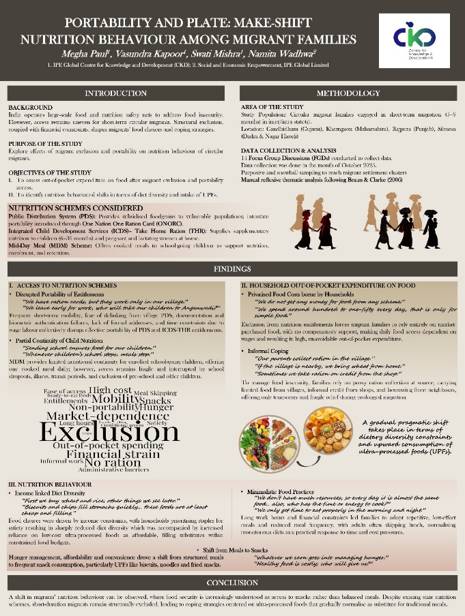
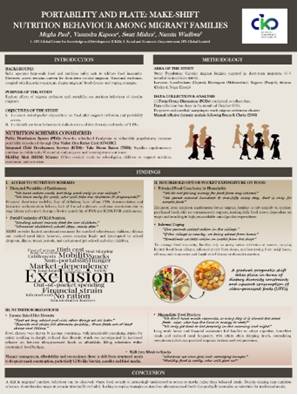
Portability and Plate: Make-shift Nutrition Behaviour among Migrant Families, 2026

Presented as poster at 21st Indian Association for Social Science and Health Annual National Conference themed “Towards Viksit Bharat: Wellness for All”, Jaipur
Knowledge Sharing

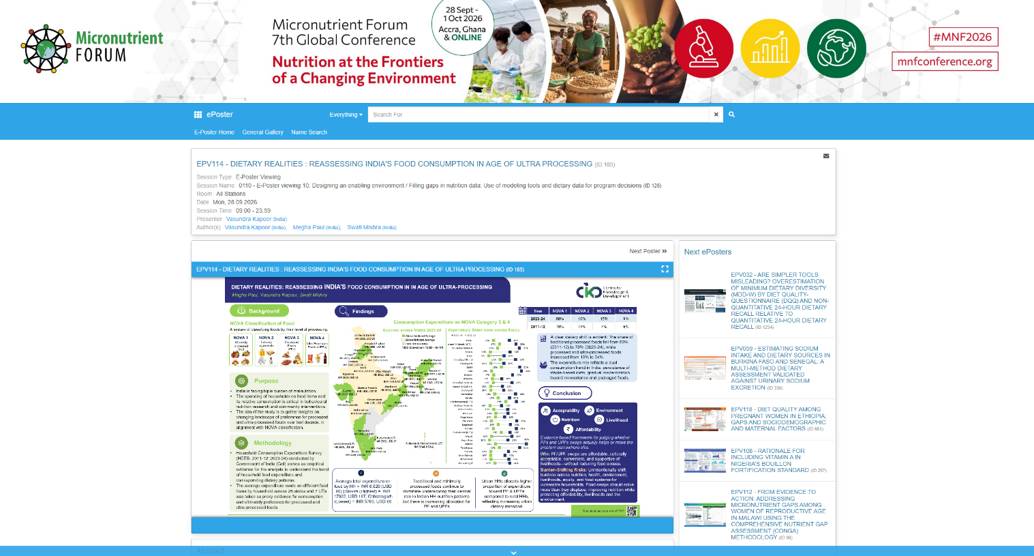
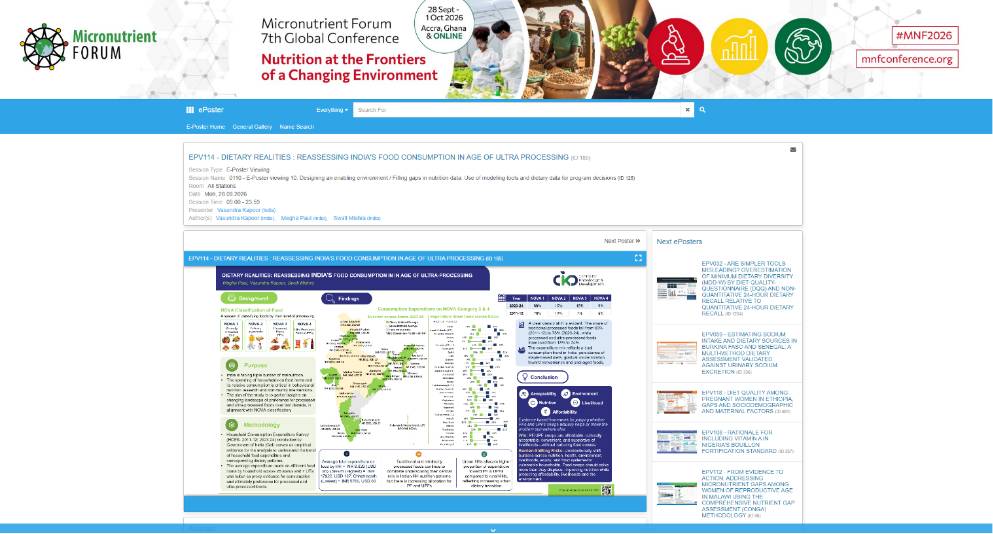
Dietary Realities: Reassessing India’s Food Consumption in Age of Ultra-processing, 2026

Presented as e-poster at Micronutrient Forum 7th Global Conference, Remote
Case Studies

Sowing Seeds of Change: Shardaben’s Story of Nutrition and Savings

For Shardaben, a mother of four from Mithirohar village, ensuring nutritious food for her family was a constant priority. Working as a cook at the village school, she understood the importance of healthy meals, but accessing a regular supply of fresh vegetables for her own household was not always easy. 

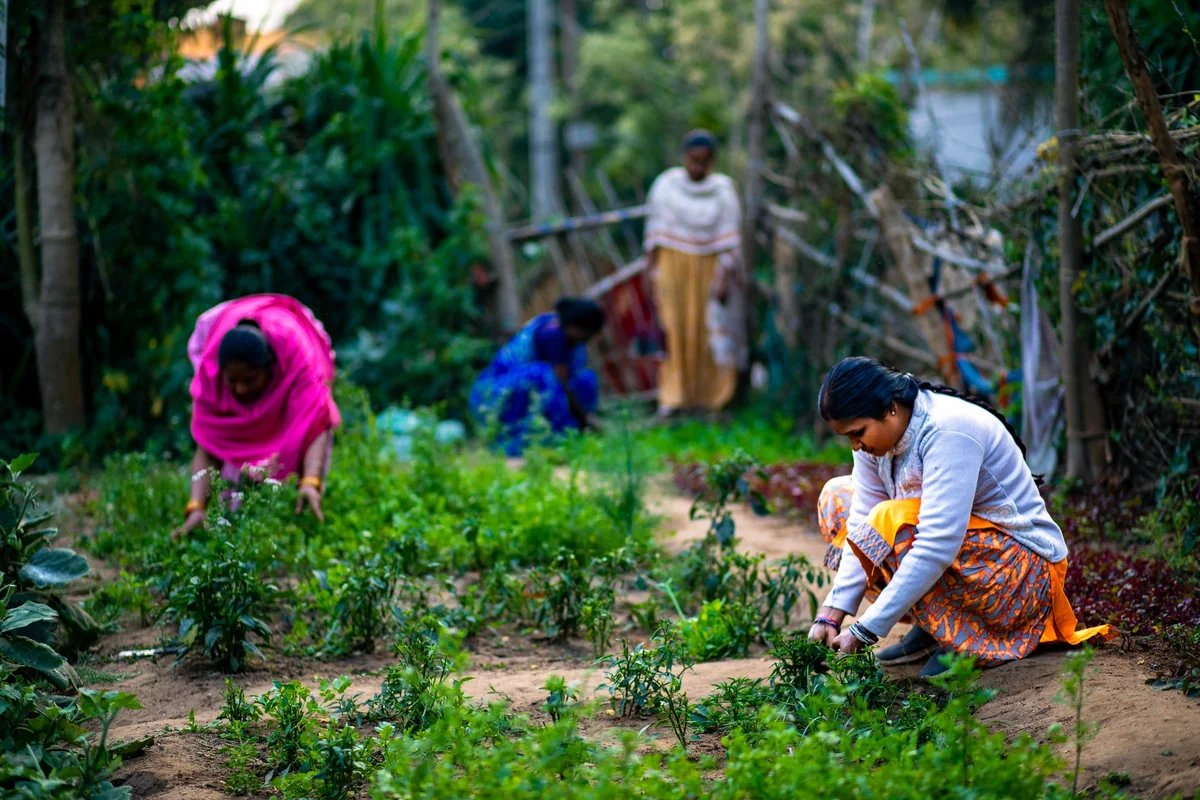
In November 2024, as part of Project Prabhat’s efforts to promote improved household nutrition, Shardaben was introduced to the idea of establishing a home-based Nutri-Garden. The approach offered a simple and sustainable way for her family to grow a variety of vegetables at home while reducing their dependence on market purchases.
Shardaben readily embraced the idea. She received a seed kit containing bottle gourd, okra, chilli, tomato, spinach, fenugreek, cluster beans, bitter gourd, brinjal, coriander and onion. Within a week, she and her husband had prepared the space and planted the seeds, carefully planning the garden according to seasonal conditions. 

What made Shardaben’s garden particularly promising was her commitment to natural cultivation practices. With a cowshed at home, she used locally available organic manure and avoided chemical fertilisers altogether. With regular care and guidance, the small garden soon began to flourish.

From a kitchen garden to everyday nutrition

Over the following months, the Nutri-Garden became an important source of fresh vegetables for the family. Shardaben reported harvesting approximately 500 grams to 1 kilogram of vegetables each day, allowing the household to regularly include home-grown produce in their meals.

The benefits extended beyond nutrition. With fewer vegetables needing to be purchased from the market, Shardaben estimated that her family was saving approximately ₹70–80 a day, or around ₹2,400–₹2,500 every month.

Impact at a glance
500 G-1 KG Fresh vegetables harvested daily
₹2,400-₹2,500 Estimated monthly household savings
10 vegetable varieties Successfully harvested within five months
Seed preservation adopted Helping sustain the Nutri-Garden across future seasons

By March 2025, around five months after planting, her garden had produced a diverse harvest:

  • 15 kg of bottle gourd
  • 8 kg of fenugreek
  • 5 kg each of tomato and okra
  • 12 kg of spinach
  • 7 kg of brinjal
  • 4 kg of onion
  • 10 kg of cluster beans
  • 6 kg of bitter gourd
  • 3 kg of coriander

Case Studies Prabhat Nutrition Program
Growing sustainability alongside vegetables 

Growing sustainability alongside vegetables 

Shardaben’s journey did not stop with the first harvest. Recognising the value of maintaining the garden independently, she began preserving seeds from her own crops for the next growing season. This simple practice is helping her reduce future input costs and sustain the garden with greater self-reliance.

What began with a small seed kit has evolved into a household practice that supports better dietary diversity, regular access to fresh vegetables and meaningful monthly savings.Shardaben’s experience demonstrates how practical nutrition interventions, when combined with knowledge, locally available resources and household ownership, can create lasting change. Through Project Prabhat, Nutri-Gardens are helping families like Shardaben’s translate nutrition awareness into everyday action—one household, one harvest and one meal at a time.
“The Nutri-Garden has helped us access fresh vegetables regularly while also reducing our household expenses. I am now saving seeds so that we can continue growing vegetables in the next season as well.” — Shardaben